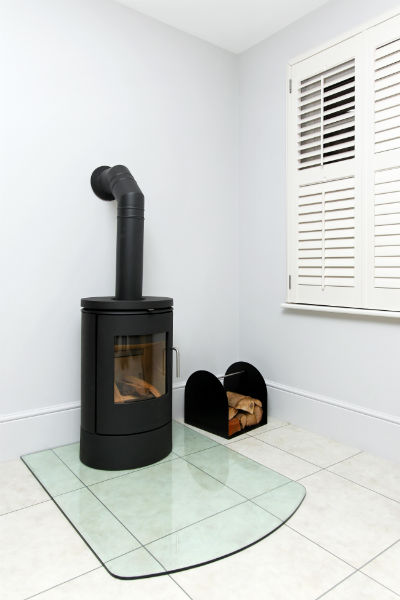
To those of us living in the Minneapolis / St. Paul areas, keeping warm is a top priority for more of the year than we’d like to admit. Many homeowners use wood stoves and fireplaces to supplement central heating, so it’s important to know how to care for your wood burning appliance. If you have a wood stove, some of the following tips can be helpful.
First off, let’s cover the don’ts. Never burn driftwood, artificial logs, treated wood, or trash, which could contain zinc, sulfur, plastic, or lead. It might be easier to assume that if you can seal the door, you’re not breathing anything dangerous, but these things can emit harmful gases when burned that could start a chimney fire or compromise your air quality.
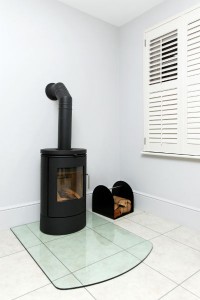
Make sure that any wood you use is properly seasoned. Wet or green wood will cause additional creosote buildup.
As with any wood burning appliance, it is always best to burn only dry, seasoned wood. This will maximize heating efficiency and minimize creosote buildup. Small, hot fires that range between 300°-400° degrees is what you’re aiming for. If you have a stack thermometer installed, it’s easier to maintain this temperature for optimum efficiency and the least amount of pollution. Another way to determine if your fire is burning hot and clean is to take a look outside. The less smoke you see coming out of chimney the better.
Keep those air-intake vents clean. Ash can collect around the vents, so be sure to remove it regularly. Not only will this help you keep your fire hotter, it will also mean that your fire won’t require as much oxygen to burn. (And guess where the oxygen comes from? That’s right, your home.) Another thing to keep in mind is that other exhaust appliances can interfere with the air consumed by your wood stove. If the fire doesn’t have enough air, smoke will reverse its flow and enter your home.
Make sure your stove is safe. A safety tested wood stove will bear an NFPA (National Fire Protection Association) label to identify it as being in compliance with building and safety codes. At Jack Pixley, we are equipped to install top-quality wood stoves that adhere to safety codes, and we’re certified to keep your stove and chimney clean and in proper working order. We know what to look for and where, and are here to look out for your safety.
A wood stove can be a great asset for keeping your home warm, but remember that heavy use also means faster creosote buildup. Creosote buildup is a part of every wood burning appliance, no matter how efficient your fires are, and it’s important to keep the chimney clear of creosote or any other obstruction. The Chimney Safety Institute of America recommends having your wood stove and chimney inspected and cleaned at least annually to ensure that every component is working properly and safely. Don’t hesitate to give us a call at (763) 422-0481. We also offer convenient online scheduling if you’re strapped for time.
A fireplace can be a beautiful centerpiece to a home, but the overwhelming consequences caused by not having routine maintenance done to your chimney are not so pleasant. It is recommended that you get a professional chimney sweep and basic inspections done once every year. Most homeowners do not understand that if they do not follow through with these recommendations, it could cause bigger issues later. One of the things impacted could be the air quality in your home.
Taking preventative measures like annual chimney inspections can save you lots of money and headache in the long run.
Many of the common and easy to fix problems start with the simple chimney sweep. The first is that until removed, creosotes and other particles will continue to build up inside of the chimney. This could lead to a draft problems by creating blockages. When you have a draft problem, the smoke from the fire cannot leave the chimney properly and then is forced back into your home. This air will contain chemicals such as Carbon Monoxide that could potentially be harmful to you and your family. In rare occasions, too much CO can lead to fatalities. Using different types of wood can also be helpful because they may produce less creosotes than others, so make sure you do all your research when buying firewood. Even though you may enjoy the smoky, outdoors smell, that is not a good thing to have in the home because it contains many of the particles found in creosotes. Make sure you have doors on the front of your fireplace to help air from flowing back into the room, and that the room is large enough to handle whatever may come back.
Another problem with not fixing problems in the chimney is that if you have cracks or places that water can collect mold can begin to form. This can cause a few spots, but if it spreads it can even go as far into the walls of your home and other parts of the foundation. These particles could then get to the vents and released into the home, not to mention the threat to the structural integrity of your home. Mold can cause many different kinds of health problems and is particularly bad for those with asthma or other respiratory issues. Reduce potential indoor pollution today by scheduling a certified sweep from Jack Pixley to alleviate these worries.
Correct Firewood
What type of wood should I burn? The moisture content of firewood is actually more important than the species. Trees are comprised of 40-60% water. If wood is not seasoned, all the fire’s energy is used to burn the water instead of creating heat. Wood should be seasoned for at least 6 months and reduced to 20-25% moisture. Failure to burn seasoned wood can cause a build up of creosote, which means a less safe and less clean burn. This is one thing your certified sweep will look for during inspection.
Almost all wood will burn at the same temperature, though dense or hard wood will burn longer. Lightweight, soft woods like pine burn faster and
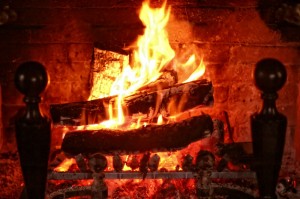
Always burn seasoned firewood and not green wood or chemically treated wood.
will create more creosote buildup in your chimney, though in small doses, this can actually be helpful. Soft woods are easier to light and can help the more dense wood to light evenly. Mixtures of hard and soft woods are a great way to build a long lasting fire that starts easily.
Where should I buy wood? The increasingly popular slogan ‘buy local’ is a good one to follow when purchasing wood. Locally harvested firewood supports sustainable forestry and is usually less expensive because you aren’t paying for transportation cost. Choosing local will also reduce the risks that come with bringing insects and fungi that are not native.
If you aren’t familiar with how to tell seasoned from unseasoned, buy from a licensed dealer so you don’t end up with sputtering wood that clogs your chimney with creosote. Burning seasoned wood is extremely important, since green wood will give you a lot less heat and a lot more creosote, which can cause chimney fire. Here are some tips to help you tell green wood from seasoned.
Seasoned wood:
- Turns to grey or yellow depending on species
- No moisture inside when split open
- Usually has cracks on the ends that indicate dryness
- Will produce a hollow sound when 2 pieces are banged together
Most of the time, wood is sold by the chord, which usually measures about 8 feet long, 4 feet wide and 4 feet high. This measurement will vary depending on how tight or loose the wood is stacked.
Understanding the Anatomy of Your Chimney
Many people have fireplaces and chimneys in their homes and trust that they will always work as they are supposed to. However, there are many ways that a chimney could malfunction and it is important to understand exactly how this occurs. In order to maintain a safe chimney, homeowners should be familiar with the parts of their chimney and how they function. This will help them to quickly identify any issues that may arise and help you communicate with a certified professional.
At the very top of the chimney, there is a piece called a spark arrestor. This will keep sparks from leaving the chimney. A small spark may not seem like a big deal but, with the proper wind, a hot spark can quickly turn into a big fire. If this occurs on the roof, the fire will spread not only throughout the home, but it could also quickly jump to the neighbor’s home. Even very warm ash leaving the chimney can start a fire in this way, making the spark arrestor a vital piece of chimney safety.
It only takes a spark.
Also at the top of the chimney is a cement piece known as the chimney crown. This protects the upper layer of bricks on the chimney. More importantly, it helps keep foreign material out of the chimney. In addition to many other substances, it keeps excess moisture from entering the chimney, which can cause a great deal of structural damage. In addition to the chimney crown, many people also choose to use a separate chimney cap.
The long part of the chimney, which allows smoke out of the fireplace, is known as the flue. Inside of the flue is a long piece called the flue liner. This liner helps protect the flue from general wear and tear as well as damage from water. Liners come in a variety of materials, including clay, tile, and stainless steel. However, stainless steel is typically considered the best choice because it is the most durable and lasts the longest.
Inside of the chimney is a piece called the damper. The damper opens and closes the flue, either letting smoke out or trapping it in. It is very important to make sure that the damper is always open when burning a fire in the fireplace. Leaving it closed will quickly fill the entire home with smoke and dangerous gas.
Also inside of the chimney is a smoke shelf. This is a small piece that catches material falling through the chimney. This could be anything from ash to debris from animal nests inside of the chimney. If these materials find their way into the fireplace, they could start a dangerous blaze that quickly gets out of control. It is very important to make sure that the flue is always clear of all debris, but the smoke shelf provides extra protection in the event that anything does make its way in there.
When material burns in the fireplace, it creates combustible gas. The smoke chamber compresses the gas so that it does not create a back draft. Without it, the gas may enter the fireplace or the home, causing both health and safety risks for the entire household.
There are many different parts to a chimney and each plays and important role in the safe use of the fireplace. In order to use the chimney and fireplace without incident, homeowners should understand exactly how each piece works and what it does. This will make it possible for them to quickly identify any problems and decide what action needs to be taken before using the chimney again.