While our customers understand the importance of regular chimney sweepings and inspections, many are surprised to learn that dryer vents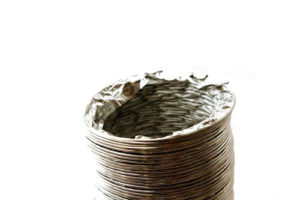 need to be regularly cleaned, too. Dryer vent maintenance is an important part of helping your dryer operate safely and efficiently while extending the life of your appliance.
The importance of cleaning your dryer vents
Maintaining dryer vents is about more than cleaning lint out of the lint trap after each load. By having your dryer vents professionally cleaned, you can help your dryer operate more efficiently while also significantly reducing the risk of dryer fire.
The same lint that is found in the lint trap also accumulates in hoses and vents over time. As lint builds up in the dryer’s hoses it can begin to restrict air flow; the restricted air flow causes the dryer to work hard, producing super-heated air to compensate.
The cycle of restricted air flow and hotter and hotter air can cause the lint in the vents to ignite. Because lint is highly flammable, a fire in the dryer vents can quickly get out of control and spread to the rest of the house. The United States Consumer Product Safety Commission estimates that there are more than 15,000 dryer fires caused by clogged dryer vents in the US each year. Although preventable through dryer maintenance, these fires cause more than $200 million in property damages each year – as well as endangering and injuring families.
Signs your dryer vents need to be cleaned
Many homeowners ask how they can tell when their dryer vents need to be cleaned. While an annual cleaning is recommended, there are several other indicators that your dryer vents may be getting clogged. The following are six signs that its time to schedule an appointment to have your dryer vents cleaned.
- A full load of clothes does not completely dry within one cycle.
- A regular cycle takes more than 45 minutes to dry a load of clothes.
- More and more lint accumulates in the lint trap after each load.
- The dryer or clothes fresh from the dryer have a strong musty odor.
- The surface of the dryer or the laundry room become excessively hot after use.
- Lint and debris are visible around exterior vent terminations.
Knock dryer vents off your spring cleaning list now!
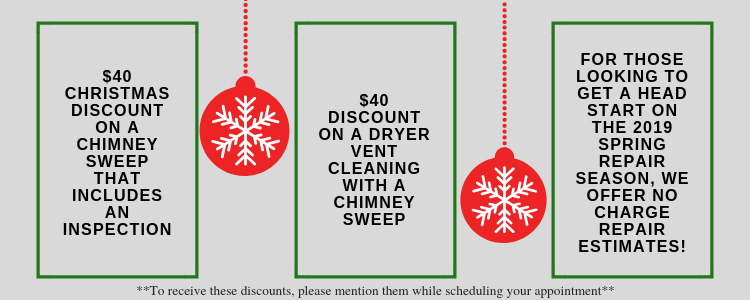
The season for spring cleaning may not arrive for several more months, but now is a great time to have your dryer vents cleaned! Our holiday discounts are still in effect, giving customers an extra incentive to schedule their dryer vent cleanings now. Customers can receive a $40 discount on a dryer vent cleaning when scheduled along with a chimney sweeping! Likewise, we also have a $40 discount available on chimney sweepings that include an inspection.
Help your dryer operate more safely and efficiently – and take advantage of our remaining holiday discounts – by scheduling your dryer vent cleaning with Jack Pixley Sweeps. Contact us today for more information on the importance of cleaning dryer vents or to schedule your next appointment.
While fireplaces and chimneys are built to last, they do not always work as efficient over time. Improper construction, damage, and operator error can all contribute to the fireplaces from burning as safely and efficiently. When you experience any sort of performance or drafting problems, you should turn to a chimney sweep for help!
How chimneys work
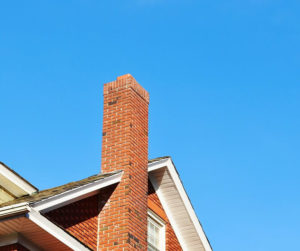 Chimneys are able to draft because of hot air. When a fire is lit in the firebox, the air inside the chimney begins to get warmer – and less dense – than outside air. As the air gets warmer, it begins to rise. As the warm air rises, cooler air is drawn into the fireplace to fan the fire. This further pushes the warm air up the chimney. While this seems simple, even small changes can really make the draft inside your chimney. Some examples are fireplace design, chimney construction, fuel source, or maintenance.
What’s wrong with my chimney?
There is no one-size-fits-all solution to chimney drafting issues. However, there are a number of common problems that can affect fireplace performance including:
- Damper – Is your damper open all the way? Throat dampers can rust or experience damages over time, making them difficult to open and close. Likewise, chains and pulleys can break, leaving the damper stuck open, closed, or somewhere in between.
- Firewood – The kind of firewood you use in your fireplace can significantly impact its performance. Wood that is freshly cut, from soft wood trees such as firs or pines, or has recently gotten wet from snow or rain will burn differently than well-seasoned, dry firewood from hard wood trees.
- Chimney blockages – Debris in the chimney such as leaves, animal nesting materials, soot and ash buildup, and restrict airflow can all prevent the chimney from drafting properly.
- Chimney height – Chimney draft dynamics rely heavily on the height of the chimney. A chimney that is too tall or too short can create pockets of positive or negative air pressure. This makes it difficult for your fireplace to draw in air or forcing air down the chimney.
- Surrounding structures – If nearby trees, building, roof components, or house additions are too tall or close to the chimney, this prevent proper drafting.
- Airtight house – While it might seem counter intuitive, houses are not meant to be airtight. An airtight house can lead to sluggish fires or smoke that doesn’t draw up the chimney.
- Design problem – Some fireplaces or chimneys have really poor design from the beginning or they were built using improper materials. This also causes drafting and performance problems.
Diagnosing chimney performance problems
Unfortunately, a quick Google search, trimming a new trees, or adjusting the damper is often not enough to get a chimney drafting properly. When a fireplace is experiencing performance problems, the best way to diagnose the source of the issue is call a CSIA certified chimney sweep.
At Jack Pixley Sweeps, we have trained and certified chimney technicians to diagnose your draft problems and offer you quality solutions. Whether its cleaning the flue, installing a top sealing damper, or reworking the chimney to improve the draft, we can help restore your fireplace and chimney. Contact us today to schedule your next chimney inspection or learn more about chimney draft dynamics!
The holidays are the most wonderful time of the year, especially when family and friends gather together to celebrate another year. For many families, these celebrations often involve the use of the fireplace and a heavily decorated mantle. In order to keep your family safe this holiday season, it is important to combine fire safety and fun around your fireplace. The following tips can ensure you enjoy your fireplace safely this holiday season.
Keep décor away
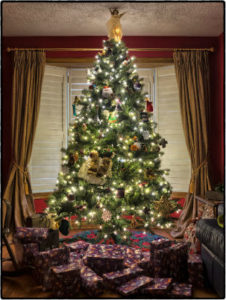 The holidays means hanging stockings, draping garland, or setting up a tree, but you should be aware to not put these decorations too close to your fireplace. To prevent accidental fire, keep all your décors at a minimum of three feet away from the fireplace. You should also avoid mantle décor that cannot be easily moved when you’re ready to start a fire.
Trees, especially real and fresh cut trees – should be kept away from the fireplace, space heaters, and other burning appliances. While most artificial trees have a flame retardant coating, real trees can easily go up in flames in seconds. Take real trees down right after the holiday, ensure they are watered daily, and keep them away from the fireplace to prevent an accidental fire.
Save wrapping paper for recycling
When opening gifts, it can be tempting to throw wrapping paper, boxes, and packing material straight into your fireplace. However, these wrappings are best saved for the recycling bin. Paper and packing materials are often highly combustible. When they are added to a fire, they ignite quickly and can cause flames to spew out of the firebox or up the chimney. Likewise, the dyes in wrapping paper is toxic when burned.
Real trees, wreaths, garlands should not be burned indoors or outdoors. Because the wood is not seasoned, it creates sluggish and slow burning fires. Likewise, some decorative greenery is treated with chemicals that make the wood unsuitable for burning.
Keep the littlest family members safe & test smoke alarms
If small children is visiting your home over the holidays, you should consider using an additional fireplace gate or screen. This helps to keep little fingers away from open flames, hot glass, or other exposed fireplace components. Fireplace doors should also be closed to keep curious children and pets away from the open flames.
Smoke detectors and carbon monoxide detectors should be tested at least once every six months. You should test them regularly and replace batteries as needed before the holiday season. These alarms should be replaced every 7-10 years; this ensures your home is using the latest technology and are up to date with current safety standards.
Call a chimney sweep
If your fireplace begins to burn sluggishly, smokes excessively, or experiences other problems, it may be time to call a professional chimney sweep. Contact Jack Pixley Sweeps for more information about troubleshooting your fireplace, annual inspections, holiday fire safety, and more!
While the winter season brings plenty of holidays, parties, and get togethers with family and friends, it also means shorter days, less sunshine, and colder temperatures. While we can keep our houses warm and toasty all winter long thanks to fireplaces, furnaces, and more, there is an increased risk of house fire when heating your home.
Christmas trees, overloading outlets, not cleaning dryer vents, or failing to replace air filters can all lead to accidental house fires during the winter. The following tips can help you prevent and avoid safety issues related to heating around your home this winter.
Safety Tips to Avoid House Fires
– Clean the dryer vents. The same lint that appears in your dryer’s lint trap can build up in the dryer’s vents. Over time, this can constrict air flow in the vents, affecting dryer performance and increasing the risk of dryer fire. Because lint is so flammable, overheated air from a dryer trying to compensate for blocked vents can cause an accidental fire. Dryer vents should be cleaned every few years or any time dry times or dryer performance begins to be affected.
– Have the chimney swept. Fall and winter are the most common seasons for fireplace use – and the most common seasons for chimney fires. Ensure your fireplace is ready to use in cold weather by having the chimney swept. Annual chimney sweepings remove soot, ash, and debris from the fireplace, as well as a flammable byproduct of combustion known as creosote. When allowed to build up over time in the flue, creosote can be ignited by a stray spark or ember and cause a chimney fire.
– Avoid overloading outlets. Of the approximately 5,300 annual electrical home fires, around 2,000 occur during the holiday season. With holiday decorations to plug in plus lamps, electronics, chargers, fans, and more, it can be easy to accidentally overload an outlet. Avoid overloading outlets by researching the circuits in your home; avoid running too many things on a single circuit by using extension cords, power strips, or additional plugs sparingly.
– Use space heaters with caution. Space heaters are a helpful way to quickly heat a room or provide additional warmth on particularly cold days. These heating appliances should be used with caution, however; make sure to research the specifics of your make and model to understand how to safely use it. As a general rule, electric space heaters are safer than their fuel burning counterparts. Before buying, look for space heaters with additional safety features such as tip over switch or touch sensors. If using a fuel burning space heater, try to crack a window in the room to prevent low oxygen levels and to help vent any byproducts of combustion.
– Check smoke detectors. Accidental house fires can happen year round. Make sure smoke detectors and carbon monoxide detectors are working properly by testing and changing the batteries every six months; a good rule of thumb is to test your smoke detectors at the same time you change your air filters. Smoke and carbon monoxide detectors should also be replaced every 7-10 years to ensure they are up to date with the latest safety standards and technology.
Preventative maintenance, common sense, and a few easy to follow steps can help keep you and your family safe around heating appliances this winter. For more information on fire prevention tips or to schedule a chimney sweeping or dryer vent cleaning appointment, contact Jack Pixley Sweeps today!
Fall and winter are the busiest season of the year for fireplace use – and for chimney sweeps. While fireplaces are great for keeping our homes warm and creating a welcoming atmosphere, they need to be maintained to burn safely and efficiently. Before hiring someone to come clean your fireplace, however, it is important to ensure you are working with a CSIA certified professional chimney sweep.
What is a CSIA certification?
The mark of a CSIA certified chimney technician
The Chimney Safety Institute of America, or CSIA, is a nonprofit organization founded with the mission of improving public and professional fireplace education. Certifications must be earned through a rigorous training, testing, and certification process. Topics include:
– Local and national building codes
– Basic chimney construction and draft dynamics
– Installation techniques for fireplaces, inserts, and stoves
– Current EPA emissions standards
– Best practices for chimney professionals
CSIA certifications are not for life; sweeps must take continuing education courses as well as pass a re-certification test every three years. This ensures that all CSIA certified sweeps are up to date on the latest technological and safety advancements in the industry.
Why being certified matters
Brushes, tarps, and a truck may help someone look the part of a chimney sweep, but they often lack the education, experience, and expertise to correctly care for your chimney system. There are a number of things that set professional, certified chimney sweeps apart:
– Code of ethics. CSIA certified chimney sweeps sign and follow a strict code of ethics. This protects homeowners as sweeps are held to strict standards; the code of ethics prevents unsavory business practices, and sweeps found in violation can lose their certifications.
– National recognition. CSIA certifications are recognized – and held by – sweeps in all 50 states. The national recognition of the CSIA certification means these sweeps are often quoted in news stories or other publications as experts in the field.
– Reciprocal trade relationships. As a widely recognized professional group, the CSIA maintains reciprocal trade relationships with trade groups such as home inspectors, realtors, and homeowners associations.
Questions to ask your chimney sweep
Before hiring a chimney sweep to work on your home, there are several questions you should ask.
– How long has your company been in business in this area?
– Will the chimney sweep who works on my home be CSIA certified?
– Can you provide references from any current customers?
– Does your company or the individual chimney sweep carry liability insurance?
– Do you have any open complaints with the Better Business Bureau?
Trust a certified chimney sweep!
Since 1977, Jack Pixley Sweeps has been providing quality and trustworthy chimney services to our friends and neighbors in Minneapolis, St. Paul, and beyond. We are proud that all of our chimney sweeps are CSIA certified; we have some of the most knowledgeable sweeps in the industry, allowing our customers to get high quality chimney services. If you are in the Minneapolis area, contact Jack Pixley Sweeps for an appointment with a CSIA certified chimney sweep today!
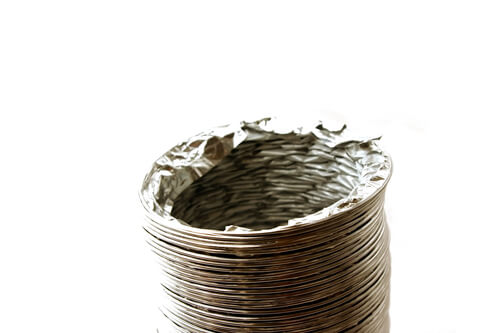 need to be regularly cleaned, too. Dryer vent maintenance is an important part of helping your dryer operate safely and efficiently while extending the life of your appliance.