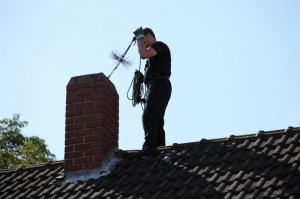
Spring is a great time to get your chimney swept- call Jack Pixley Sweeps today!
When warm spring weather finally arrives, many homeowners are content to stop using – and thinking – about their fireplaces until they need them again in the fall. However, instead of letting them wait until then to be serviced, homeowners should have their chimneys cleaned in the springtime.
After using your fireplace all winter, have it cleaned in the spring. Having your chimney swept now means that it will be ready for use again as soon as the fall’s first cold snap hits, and is one less maintenance item to worry about this year.
Winter water damage to your chimney
The combination of cold temperatures and moisture such as freezing rain and snow can have a negative impact on your chimney system. The most common cause of chimney damage in the winter is caused by the freeze thaw process. When this occurs, water in the bricks freezes and expands, creating larger and larger cracks and holes that may eventually cause the bricks to crack and fall away.
Chimney systems can be damaged by any amount of water entry, not just in the winter. Chimney leaks from damaged flashing, chimney caps, or chimney crowns can damage the masonry and interior portions of your fireplace and chimney and should be repaired as soon as possible.
The importance of yearly chimney cleanings
The Chimney Safety Institute of America recommends that homeowners have their chimneys swept at least once per year. National Fire Protection Association Standard 211 also states that, “Chimneys, fireplaces, and vents shall be inspected at least once a year for soundness, freedom from deposits, and correct clearances. Cleaning, maintenance, and repairs shall be done if necessary.”
Chimney cleanings are a great way to guarantee the health and safety of your family. In addition to removing creosote and other chimney blockages, chimney sweeps will also check for any damage that may impact the safety or efficiency of your fireplace. Even homeowners with gas appliances should consider having an annual inspection to ensure their appliances are venting properly and the chimneys have not been damaged.
Having your chimney cleaned and inspected each year allows any emerging problems to be found and repaired before they turn in to major – and costly – issues. Likewise, annual chimney cleanings are an excellent time to have other kids of preventative maintenance – such as waterproofing – done to your chimney.
Why spring is a great time for chimney maintenance
Chimneys are used the most during the months of fall and winter. Because of this, by the time spring rolls around they often have large amounts of creosote, soot, ash, or other debris in the chimney structure. Cleaning your chimney directly following its period of heaviest use makes the creosote or other chimney blockages easier to remove.
In addition, spring is the best time of year to have masonry or other major repairs completed on your chimney. The mild temperatures and weather allow work to be completed in a timelier manner as there are far fewer weather related delays.
Make getting your chimney swept and inspected a regular part of your spring cleaning maintenance routine. Contact Jack Pixley Sweeps today to schedule your chimney sweep appointment!
Spring is the perfect time to get your chimney’s brickwork repaired!
Winter can be a particularly rough time of year for fireplace systems. In addition to heavy use, chimneys are also faced with exposure to the harsh winter elements, including frigid temperatures, ice, snow, and freezing rain. Because of this, many homeowners find that their masonry fireplaces and chimneys are in need of repair when spring finally arrives.
Spring is the perfect time of year to have masonry repair work done. The mild temperatures and conditions allow work to be quickly completed with a minimum of weather-related delays. Likewise, because most homeowners do not use their fireplaces in the spring, our appointments for spring masonry repairs are often quickly filled.
Water damage and your masonry chimney
Chimneys are built strong to withstand the force of the elements. However, even the best built chimneys have one major enemy: water.
Water damage can quickly damage any masonry structure, sometimes in as little as one season. Although bricks are designed to be naturally porous, too much water can overwhelm them. When water is absorbed by the bricks during the winter, it freezes and expands. When the water melts, it leaves behind bigger cracks and holes, allowing even more water to enter the bricks. This freeze thaw process can lead to bricks cracking and even falling away from the chimney structure if left unrepaired.
Water can also find its way into your fireplace and chimney system through defective chimney caps, damaged or improperly installed flashing, or due to a number of other possible causes. Because it can be difficult to pinpoint the cause of water entry and damage, it is recommended to have your entire chimney system professionally evaluated if a leak is apparent.
Why is chimney maintenance important?
While a few small cracks in the brick may not seem like a major issue, if left unrepaired it can quickly turn into one. Unrepaired chimney damage will only continue to get worse, jeopardizing the health and safety of you and your family. Even no longer using the fireplace is a good option; even if you aren’t using your damaged fireplace, the masonry will still continue to decay.
In order to identify and repair masonry damage as soon as possible, it is recommended that homeowners have a chimney inspection performed each year. “A chimney inspection is like an annual dental check-up,” says Ashley Eldridge, Director of Education for the CSIA. “It’s preventative maintenance that helps minimize potential hazards.”
Our masonry services
At Jack Pixley Sweeps, we can do much more than just clean your chimney. We offer a wide range of masonry services for our customers. Since 1977 we have proudly been providing high quality masonry services to our friends and neighbors in the Saint Paul and Minneapolis area.
Unlike a general contractor, our skilled masons are knowledgeable about the codes, clearances, and other safety standards associated with rebuilding and repairing masonry chimneys. In addition, by choosing a chimney company to make the repairs you can rest assured that our masonry work will be not only aesthetically beautiful, but also safe and functional.
Our spring schedule has already begun filling up with masonry repair appointments. If your chimney needs to be repaired, don’t wait any longer – contact Jack Pixley Sweeps today to schedule your spring masonry repairs!
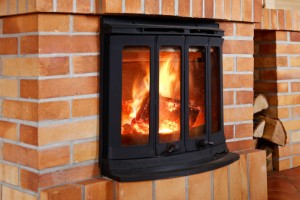
Jack Pixley Sweeps services wood burning inserts!
In our busy, fast paced lives, many homeowners find that they no longer have the time or energy to use their wood burning fireplaces. Instead of letting the fireplace become a purely decorative part of the home, considering installing a fireplace insert.
Fireplace inserts minimize maintenance while still allowing you to enjoy the look and feel of a wood burning fire. Below are the top five reasons why you should considering installing a fireplace insert.
Improved efficiency
While wood burning fireplaces create a wonderful ambiance, they are not very efficient heating sources. Most fireplaces have efficiency ratings as low as 5-10% due to the open combustion of the burning process. Fireplace inserts, however, are sealed systems. This creates more complete combustion, a more efficient fire, and less energy loss. The Hearth, Patio, and Barbeque Association has reported that in some cases, installing a fireplace insert can reduce energy bills by as much as 40%.
Different fuel choices
With a wide variety of fuel choices available, there is a fireplace insert to meet every need. There are available inserts that burn coal, natural gas, pellets, propane, and even wood. Those looking for fires at the press of a button may opt for a gas insert, while others may choose a wood burning insert for a more traditional look and feel. The freedom to choose your fuel source gives homeowners the ability to find an insert that best meets their needs.
Minimize masonry repairs
If your firebox has been damaged, fallen into disrepair, or needs extensive renovations, installing a fireplace insert may be a way to let you continue to use and enjoy your fireplace without the hassle of a complete rebuild. Because the fireplace inserts are placed directly into the existing firebox, they can be installed and used even if the masonry of the old firebox has been damaged.
Fireplace inserts should always be professionally installed to ensure that they are placed correctly. In some cases, the flue may need to be altered to accommodate the new insert. New stainless steel chimney liners can easily be installed to ensure that the flue is the right size for your fireplace insert.
Environmentally friendly
Unlike traditional wood burning fireplaces which cannot be certified by the EPA, fireplace inserts are required to be EPA certified. This certification shows that your insert produces a minimal amount of particulate emissions and has a smaller impact on the environment. Because of their closed system combustion, most fireplace inserts are able to reduce emissions to almost zero.
Stylish designs
In addition to being able to choose their fuel source, homeowners switching to a fireplace insert can also select the aesthetic style of their new heating appliance. Inserts come in a variety of styles from the contemporary to the modern, and there are inserts to fit every style and budget.
If you’re tired to the work and maintenance required with a wood burning fireplace, a fireplace insert might be the right choice for you. Inserts can improve efficiency, reduce costs, and turn a damaged or unsightly firebox into the focal point of your room. For more information on fireplace inserts, contact the expert staff at Jack Pixley Sweeps today!
Fireplaces continue to be beautiful additions to many homes. Additionally, many homeowners find that they rely on them in winter to add warmth and comfort to their homes.
Despite their popularity and widespread use, most people do not understand how their chimneys work. This can sometimes lead to homeowners misidentifying the cause of an issue or not realizing it is time for maintenance.
The following are some of the most important components of your chimney that many people are unfamiliar with. Learning more about the anatomy of your chimney can help you identify and understand any chimney issues you may have in the future.
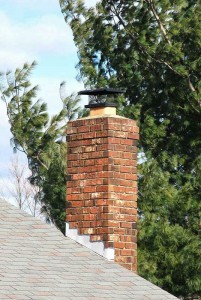
Chimney cap
The chimney cap covers the top entrance of your flue, allowing smoke to safely exit while preventing water, animals, and debris from getting in. Uncapped chimneys or those with damaged caps are more likely to have issues with water damage, blockages, or animals nesting in the chimney.
Chimney crown
A chimney crown is a slab, typically made of concrete, which protects the masonry of your chimney. Damaged chimney crowns may allow water into the chimney structure or allow the masonry of the chimney to receive water damage.
Chimney chase cover
Similar to a chimney crown, a chimney chase cover protects the top of the chimney. Typically made of metal, chase covers were used regularly in the 1970s and 1980s with factory built or prefabricated chimneys. Over time, chimney chase covers may deteriorate, causing rust stains on the masonry of the chimney.
Chimney damper
The chimney damper separates the firebox from the flue. Open and closed using a pulley or a lever, the damper prevents heated or air conditioned air from escaping as well as minimizing drafts. Likewise, dampers help prevent moisture, debris, or animals from getting into the firebox. While dampers should be closed when the fireplace is not in use, the damper should always be opened before starting a fire to prevent smoke from backing up into a room.
Chimney flue
The chimney flue is the chamber through which smoke, gas, and other byproducts of combustion are vented to the outside.
Chimney flue lining
Chimney flue liners protect the surrounding building materials from the hot air, smoke, gas, and other byproducts of combustion that are travelling up the flue. There are three main types of flue linings: clay tiles, metal, or cast in place. Over time, creosote can build up on the flue lining. This byproduct of combustion is highly flammable, and it’s removal is the primary purpose of annual chimney sweepings.
Smoke chamber
The smoke chamber is designed to help compress smoke from the firebox into the flue without creating a backdraft. Smoke chambers are created with a sloping wall just above the firebox. A well designed smoke chamber with allow smoke, gas, and other byproducts of combustion to smoothly and quickly travel up the flue.
Smoke shelf
Located behind the damper, the smoke shelf is designed to catch any water or debris that enters the chimney. The smoke shelf also helps compress the large amounts of smoke created in the firebox to the much smaller entrance to the flue.
Chimneys are complex structures with a number of working parts that must be kept up in order to keep your fireplace working well. Contact the experts at Jack Pixley Sweeps today to schedule a sweeping and inspection to ensure your fireplace and chimney are in prime condition.
The cold months of winter are often the heaviest use periods for fireplaces. Unfortunately, this time of heavy use also coincides with the time that chimneys are most likely to get damaged.
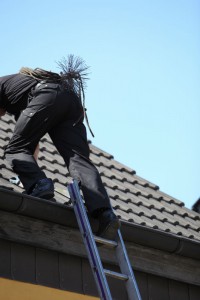
The combination of rain, ice, sleet, snow, and frigid temperatures can wreak havoc on chimney systems. However, this damage often goes unnoticed until the spring or summer as many homeowners believe they should not or do not need to have their chimneys inspected during the cold months of winter.
To ensure that your chimney system makes it through the winter undamaged, schedule a winter chimney inspection now. An inspection now may help you identify minor damage before it turns into a major issue.
How can winter weather affect my masonry?
While all water can be detrimental to the masonry of chimneys, it can have catastrophic effects when combined with winter weather conditions. Bricks and mortar are naturally porous, meaning they absorb small amounts of water. As this moisture freezes it expands, creating larger and larger cracks and gaps. As the frozen water melts, more water is able to enter the brick. The process of deterioration is called the freeze thaw cycle, and can cause extensive damage to masonry in as little as one winter season. Previously damaged brick is especially susceptible to the freeze thaw cycle.
When should I have a chimney inspection?
The purpose of a chimney inspection is to evaluate the overall health of your fireplace and chimney system. Certified technicians will look for signs of damage to the bricks, mortar, damper, flue, and other parts of the chimney and fireplace structure.
Chimney inspections are often performed as a routine part of a chimney sweep or cleaning. They can also be used as a way to pinpoint the cause of ongoing chimney issues such as strong odors or recurring leaks. Likewise, it is recommended that homeowners have a chimney inspection done after purchasing a new home to establish a baseline for their chimney’s condition.
What is done during a chimney inspection?
The National Fire Protection Association created nationwide standards for chimney inspections in 2000, designating the criteria for three levels of inspections.The level of inspection performed will depend on the condition of your chimney system, whether it has been damaged, or if any parts have been modified or replaced.
If you are not experiencing any significant fireplace issues, your chimney has not been damaged, or you have not had any parts replaced you will most likely receive a Level I chimney inspection. During this level of inspection, certified technicians will evaluate all accessible portions of the interior and exterior of the chimney and fireplace including the masonry, firebox, damper, and flue.
If you are experiencing ongoing issues such as a leak or fireplace odor, your chimney or fireplace has been damaged, or problems are discovered during the Level I chimney inspection, a more in depth Level II or Level III inspection may be recommended.
Why are chimney inspections important?
“A chimney inspection is like an annual dental check-up,” says Ashley Eldridge, Director of Education for the CSIA. “It’s preventative maintenance that helps minimize potential hazards.”
An annual chimney inspection, especially when performed during the winter, is a great way to ensure the overall safety and stability of your chimney system. Contact Jack Pixley Sweeps today to schedule your chimney inspection so you can enjoy your fireplace with peace of mind for the rest of the year.