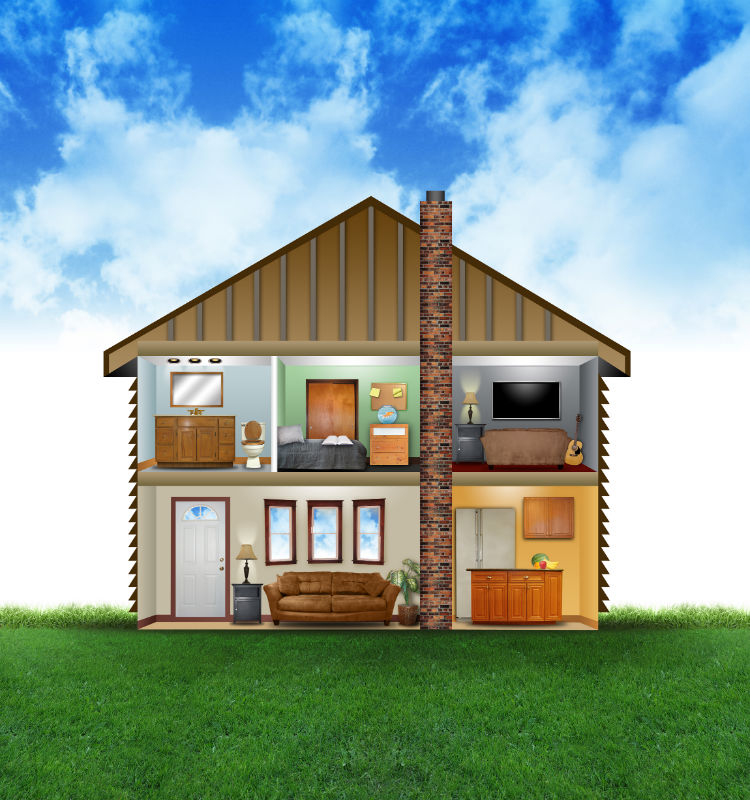
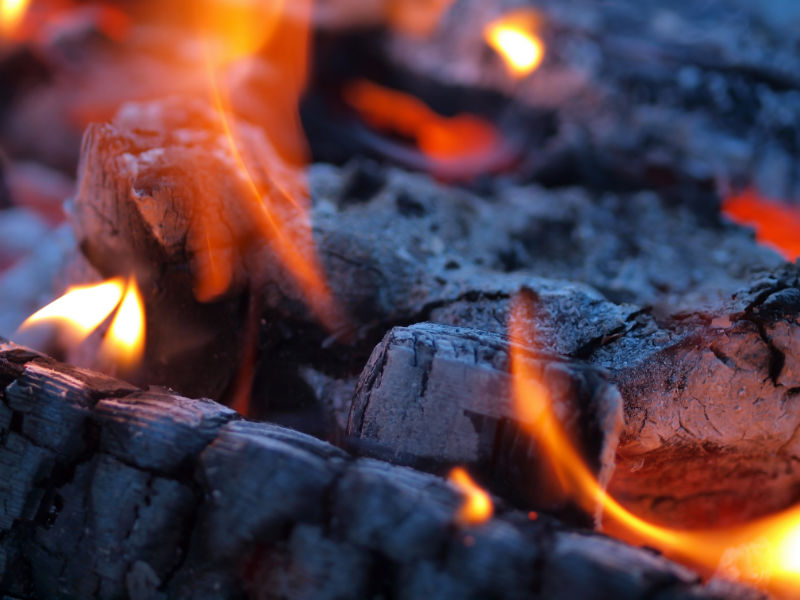
When you have a drafty fireplace, it can seem as if the problem will never get fixed. Whether the problem is cold air rushing in, smoke blowing back into the house, or the wind causing whistling or rattling noises, draft issues can make homeowners not want to use their fireplaces. Although it can sometimes be difficult to identify the cause of a drafty fireplace, fixing the root cause of the problem will allow families to enjoy their fireplaces for years to come.

Below are five of the most common causes for chimney draft problems.
1. Air tight house
If your house seems to get colder or the furnace continues to run even while you have a roaring fire, you may have an issue air pressure and venting. A fire will draw in air in order to have the necessary oxygen to keep burning. If there is not proper venting in the house, warm air from inside the home will wind up being drawn up and out through the chimney.
To combat this issue, crack open the window closest to the fireplace. Doing this allows the fire to draw in cold outside air inside of using warm air from inside the home. It will also prevent any backdrafts from the chimney into the house which may occur if there are no open windows or doors.
2. Flue sizing
Having a flue that is either too small or too large may cause smoke to backdraft into the house. Traditionally, fireplaces follow the 10 to 1 rule, which means that for every 10 square inches of the fireplace opening there needs to be 1 square inch of flue. The ratio for this rule effects how quickly air moves into the fireplace opening. In order for the air to travel up the chimney fast enough, the 10 to 1 rule should be followed. If not, smoke may escape from the fireplace and into the room.
3. Chimney height
Taller chimneys are known to draw in air better than shorter chimneys. As the warm air within the chimney rises, taller chimneys filled with more hot air will produce a stronger draft. Because of this fact, homeowners may be able to solve their drafting issues by adding several feet of height to their chimneys.
4. Chimney or flue blockages
Birds nests, lost Frisbees, stray leaves, or fallen shingles can all block the entrance to a flue. Likewise, branches, leaves, or animal nesting materials inside the chimney can create blockages. If this happens, smoke may become trapped in the chimney or flue, backing up into the room. Having your chimney professionally swept can ensure that there are no blockages creating drafting problems.
5. Seasoned firewood
If your fire is creating excessive amounts of smoke, your fuel source may be to blame. Firewood that has not been seasoned will have a much higher moisture content. As it burns, the water in the firewood creates large amounts of smoke. Buying firewood that has been seasoned for at least six months will greatly reduce the amount of smoke produced.
If your fireplace is having drafting issues, contact Jack Pixley Sweeps today. Our fireplace experts can perform a smoke test to help diagnose and identify the source of the drafting issue and protect the health and safety of you and your family.
Many homeowners include chimney and fireplace cleaning and inspection on their list of annual home maintenance projects. However, few think to consider having their dryer vents cleaned.
Despite the fact that they are used nearly every day, most homeowners do not know that they should regularly clean their dryer vents. According to the US Consumer Product Safety Commission, clogged dryer vents cause nearly 15,000 house fires each year. These fires result in upwards of $200 million in damages and more than 400 injuries and 50 deaths. However, these tragic fires can be prevented by regularly cleaning dryer vents and hoses.
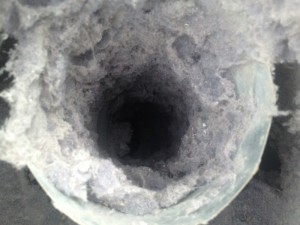
How do dryer vents cause house fires?
Most people know that lint is highly flammable – it’s why we clean the lint trap each time we use the dryer. Over time, lint also accumulates in the dryer vents and hoses. If left untreated, this lint can constrict air flow in the venting system. To compensate, the dryer will create more heat which can then cause the highly flammable lint to ignite. Once burning, dryer fires can quickly spread to other parts of the house.
Why should dryer vents be professionally cleaned?
Although homeowners may be able to remove some buildup from dryer vents and hoses, a trained professional is the only one who will be able to thoroughly clean the entire system. In additional to simply removing trapped lint, professional technicians will check vents, lines, and hoses for any kinks, knots, or other blockages, as well as evaluate the efficiency of your dryer.
Instead of rushing in and out of your home in 15 minutes or less, the trained technicians at Jack Pixley Sweeps will take the time to ensure that your entire dryer vent system is thoroughly cleaned and inspected. We utilize a variety of tools including a rotary system and vacuum cleaner to ensure that as much flammable material as possible is removed from the dryer line. In addition, we will also collect and dispose of the lint and debris from your dryer vents instead of blowing it all over your yard.
When should my dryer vents be cleaned?
Because many people are unfamiliar with their dryer vent systems, they do not know when they should be cleaned. Luckily, dryer performance is an excellent indicator of the condition of your dryer vents. The following signs may indicate that your dryer vents need to be cleaned:
- Clothes take longer than one cycle to dry
- The dryer produces excessive amounts of heat, even to the point of heating the room
- There are greater than normal amounts of lint produced each cycle
- Either the clothes or the dryer has a strong, musty odor
- There is noticeable or large amounts of lint or debris surrounding the exterior dryer vent opening
At Jack Pixley Sweeps, we can do more than just take care of your fireplace and chimney. Let the company you already know and trust to keep your chimney maintained take care of your dryer vents as well! Contact us today to schedule your dryer vent cleaning.
As the temperatures drop outside, people come indoors to work, play, and spend time with friends and family. Oftentimes during the winter, this time is spent in front of a fireplace enjoying its warmth and ambiance. Unfortunately, what some homeowners fail to realize is that winter weather can have a negative impact on your chimney over time.
While winter means the coming of the festive holiday season, it also brings frigid temperatures, freezing rain, ice, and snow. Because the winter is typically the heaviest use season for fireplaces, it is important to have an annual sweep and inspection done as early as possible to ensure that your heating appliance is working efficiently, has not been damaged, and is safe to use all winter long.
How water damages chimneys
One of the most common – and most preventable – ways that chimneys are damaged is through long term exposure to moisture. Water can wreak havoc on a chimney and fireplace system, affecting everything from the bricks and mortar to the flue and damper.
While chimneys may appear to be simple structures, they are actually surprisingly complex. Because of this, finding the exact cause of water entry may be difficult. Here are two common ways that water enters a chimney.
Chimney cap: A chimney cap, sometimes known as a rain guard, covers the top portion of the chimney. This allows smoke out while keeping sparks and embers in. If damaged, water, debris, and even animals can get into the chimney.
Masonry damage: The bricks and mortar of a chimney are constantly exposed to the elements. Because of this, absorbed water constantly freezes and thaws, creating cracks that allow more water to enter. Over time, the freeze-thaw process can cause major damage to the chimney as bricks crack and crumble.
Preventing water damage
Although it is inevitable that chimneys are exposed to water from rain, ice, and snow, there are steps that homeowners can take to prevent and minimize water damage. Preventative maintenance is the most effective way of preventing water damage. During an annual sweep and inspection, a trained technician will inspect the chimney for any signs of damage to the masonry, chimney cap, or other parts of the chimney. When spotted early, many minor problems can be fixed before they turn into major concerns, saving both time and money.
In addition, the trained technicians at Jack Pixley Sweeps can apply a variety of protective sealants to existing masonry structures to prevent water from seeping in. These professional grade products can provide as much as ten times the water prevention of standard brands. These sealants can greatly extend the life of your chimney and prevent any existing damage from getting worse.
Animal entry
Just as people tend to stay inside more during the winter, birds and other small mammals seek shelter as the temperatures turn cold. Because of this, uncapped chimneys or those with un-repaired openings often become hiding places for wildlife. In order to continue safely using your fireplace, it is important to have the animals safely removed as quickly as possible. Following removal, repairs can be made to make sure the animals cannot reenter the chimney structure.
If you have questions about preparing your chimney for winter, contact the experts at Jack Pixley Sweeps today!
During the warm months of summer, our chimneys fade into the background of our home, used as decorations instead of as heating appliances. Because of that, many homeowners fail to complete fireplace maintenance during the spring and summer – it simply slips their minds when their fireplaces are not in use.
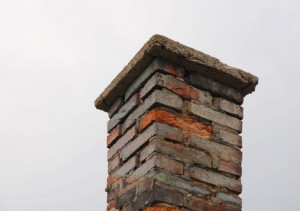 When the first true cold spell of winter hits, however, many homeowners are reminded that they did not have their chimneys swept, inspected, or repaired during the summer. This creates a fall rush as the chilly weather sets in and snow begins to fall. While it’s not too late to have your chimney swept before winter truly sets in, there are limitations to which and when repairs can be made when temperatures are colder. Click here to learn more about the chimney sweeping process.
Why is chimney maintenance important?
Having annual chimney sweeps and inspections is one of the most important things homeowners can do to prolong to life of their chimney structure. “A chimney inspection is like an annual dental check-up,” says Ashley Eldridge, Director of Education for the CSIA. “It’s preventative maintenance that helps minimize potential hazards.”
The National Fire Protection Association recommends that “Chimneys, fireplaces, and vents shall be inspected at least once a year for soundness, freedom from deposits, and correct clearances. Cleaning, maintenance, and repairs shall be done if necessary.” During a sweep and inspection, certified technicians will evaluate the overall health of your chimney, checking the accessible parts of the interior and exterior and of the chimney. Likewise, they will clean the chimney structure, removing any buildup of creosote or other debris. If any damage is found, appropriate repairs will be recommended.
Water and masonry chimneys
Although chimneys are meant to stand against the elements, they do require annual maintenance and timely repairs to continue functioning. Even well maintained chimneys suffer due to the rain, sleet, snow, ice, and frigid temperatures of Minnesota winters. In chimneys with existing deterioration, the damage is only exacerbated.
When the bricks or mortar of a chimney become cracked, water is able to seep into the masonry. The masonry will then begin to quickly deteriorate as the water in the bricks goes through the freeze/thaw process; as temperatures drop, the water in the masonry freezes and expands, further damaging the brick. When the temperature rises again, the frozen water thaws, leaving more cracks and holes for additional water to enter. This process can cause a chimney to go from having only a few small cracks to crumbling apart in only a few short years.
Because water can cause chimneys to deteriorate so quickly, it is recommended to have repairs completed as soon as possible. It is equally important to call a chimney company at the first sign of chimney trouble, whether it is a foul odor, water in the firebox, or noticeable damage to the chimney structure. Because some chimney repairs cannot be done in cold weather, it is vitally important to get repairs finished as soon as possible.
If you have questions about the health of your chimney or need to schedule repairs before the weather gets any colder, contact Jack Pixley Sweeps today!
When shopping for a new home, a fireplace can be a major selling point. Some homebuyers, however, are surprised to find that the fireplaces in their new homes have wood in areas that pose a fire hazard. Two of the most common places wood is found that can create a risk for fire is in the ash pit below the firebox and lintel area above the firebox.
 During an annual sweep, the CSIA certified technicians at Jack Pixley Sweeps also conduct a thorough inspection of the interior and exterior of the fireplace and chimney. These inspections are taken a step further when an ash pit is present in the home or there is wood in the lintel area.
What is an ash pit?
An ash pit is a compartment at the base of the fireplace that is designed to hold a season’s worth of fireplace ashes. The main purpose of an ash pit is that homeowners do not have to remove ashes each time they use their fireplaces, which is especially helpful during the often inclement weather of the cold months of winter.
Mostly found in older homes instead of new construction, ash pits are typically built of cinder blocks or cement. However, sometimes wood is used by contractors to support the masonry during the building of the fireplace and ash pit. If left behind, this wood can create a serious fire hazard to the home. If ashes are not completely cool or if embers are not fully extinguished before being put in the ash pit, any remaining hot coals could ignite the wood and start a fire.
How to address wood in an ash pit
If wood is discovered in the ash pit, the most common recommendation is to discontinue use of the ash pit and seal it off. While it is possible to remove the wood, it is often an extremely costly project.
What is a lintel area?
A lintel is a load bearing component that holds up the top row of bricks in the fireplace opening. While modern lintels for fireplaces are made of steel, some older lintels may be made of wood. This can again pose a fire hazard as stray sparks or embers could accidentally ignite the wood.
How to address a wood lintel
Although wood in the lintel area is also difficult to remove, it can be done. However, the main concern with a wood lintel is that there is also wood in other areas that cannot be found without a Level III inspection. This level of inspection is often seen as a last resort because it involves removing portions of walls, masonry, or other structures to investigate the problem.
Instead, homeowners with wood lintels are advised to either discontinue use of their wood burning fireplace or install a gas insert to continue using the fireplace space. If you have questions or concerns about the presence of wood in your ash pit or lintel areas or need to schedule an annual sweep and inspection, contact Jack Pixley Sweeps today!