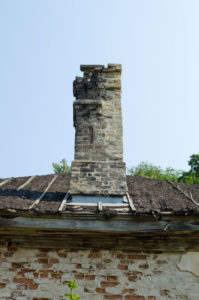
 There are a number of ways we get our fireplaces ready for winter; having them swept, buying new firewood, and sweeping out ashes and coals are all ways to make sure your fireplace is safe and ready to use. However, there may be hidden hazards hiding in your chimney liner.
A properly lined chimney is an important part of the helping your fireplace burn safely, efficiently, and last longer. Because the majority of the chimney liner cannot be seen without an inspection and the use of technology such as closed circuit cameras, damage to the chimney liner may go unnoticed.
How a chimney liner protects your home
According to the Chimney Safety Institute of America, chimney liners are “A clay, ceramic, or metal conduit installed inside of a chimney, intended to contain the combustion products, direct them to the outside atmosphere, and protect the chimney walls from heat and corrosion.”
Because of their important purpose, a requirement for chimney liners is included in most state and local building codes. Chimney liners play an important role in protecting your home against the heat, gas, and smoke created in your fireplace. Protecting against a transfer of heat keeps surrounding walls, beams, frames, and other building materials from reacting to the heat in the chimney; when a chimney liner is damaged, the National Bureau of Standards found adjacent building materials can catch fire in as little as three hours due to heat transfer.
Chimney liners also keep smoke and gasses from getting into the air supply of your home. A quality, undamaged liner helps keep toxic byproducts of combustion, including the extremely dangerous carbon monoxide gas venting safely up and out of your chimney instead of lingering in the flue or seeping into your home. This is especially important during the winter when most homes have their doors and windows tightly closed, letting in little outside air.
Does my chimney need to be relined?
Because of the difficult to access location, length, and size of the chimney liner, repairs in specific areas are often too difficult to complete. Because of this, a complete chimney relining may be recommended. There are several reasons why a chimney might need to be relined.
Damage. Damage to the chimney liner can cause it to lose the ability to protect your home against heat transfer, as well as allow smoke and gas into your home’s air supply.
New fireplace or insert. A new fireplace or insert may have different venting requirements than your old unit; relining the flue can ensure your new fireplace burns as safely and efficiently as possible.
Changing fuel sources. The byproducts of combustion from wood, gas, coal, and pellet fires are all different; because of this, they require different types of chimney liners. If you have changed fuel sources, a new chimney liner can protect your flue.
Winter weather is just around the corner; make sure your fireplace is ready to be safely used all year round by having the liner checked. For more information on the importance of a quality chimney liner or to have your chimney inspected, contact Jack Pixley Sweeps today!
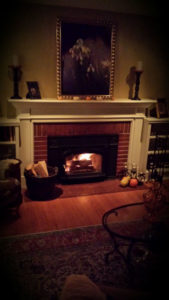 Temperatures are finally starting to cool down and fall finally feels like it’s here! With the busy burning season just around the corner, many homeowners are preparing to light their fireplaces for the first time. Before you use your fireplace for the first time this year, however, make sure to have it inspected first!
The importance of chimney inspections
Chimney inspections are an important diagnostic tool that chimney sweeps use to evaluate the condition of your fireplace system.
“A chimney inspection is like an annual dental check-up,” says Ashley Eldridge, Director of Education for the Chimney Safety Institute of America. “It’s preventative maintenance that helps minimize potential hazards.”
Inspections often allow chimney sweeps to identify small areas of damage or deterioration – long before they turn into major chimney problems. This allows small, less expensive repairs to be made as needed instead of needing major masonry or structural repairs all at once.
Three levels of chimney inspections
The National Fire Protection Association created three standardized levels of chimney inspection. Your chimney sweep can help determine what kind of inspection your chimney needs based on age, use, and other factors.
- Level 1 chimney inspections are the most basic; during this type of inspection, the chimney sweep will evaluate all accessible portions of both the interior fireplace and exterior chimney. Level 1 inspections are used in homes where the chimney is regularly maintained, has not been changed since the last inspection, and is not experiencing performance issues.
- Level 2 chimney inspections are more in depth and often involve the use of technology – such as closed circuit cameras – in order to check difficult to reach areas of the chimney such as the flue. Level 2 inspections are common when a new insert has been installed, a new fuel source is being used, or a home is preparing to be bought or sold.
- Level 3 chimney inspections are the most intense and often involve removing part of the masonry or surrounding building material in order to access the chimney; because of this, they are only used in the event of natural disasters, fires, or if the structural stability of the chimney is in question.
What if I don’t use my fireplace?
Regular fireplace maintenance – including chimney sweepings and inspections – are important no matter how often you use your fireplace. In fact, having an inspection done before lighting a fireplace that is seldom used may be even more important. Infrequently used fireplaces are more likely to suffer from problems such as animal entry or debris blockages; because these and other similar issues often present themselves in the form of performance problems, they may not be immediately noticed in a fireplace that is not regularly used.
The National Fire Protection Association and the Chimney Safety Institute of America both recommend that homes have their fireplaces and chimneys inspected at least once per year. Doing this ensures your fireplace is safe to use – no matter how often you use it.
If you are getting ready to start your fireplace for the first time, make sure to have your chimney inspected first. Contact Jack Pixley Sweeps today to schedule your next chimney inspection before you start using your fireplace!
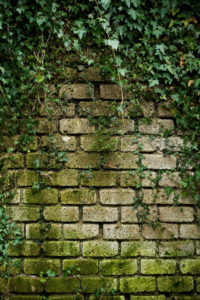 Climbing plants and vines might seem like a whimsical addition to the exterior of your home. Unfortunately, recreating this classic curb appeal can cause serious damage to your masonry. If you have climbing vines on your chimney, take advantage of the first freeze of the year and remove them; roots and tendrils are easier to remove as they dry out during the winter, and doing so can help protect your chimney.
How vines damage your masonry
While climbing vines such as ivy and wisteria can be charming, they can also cause significant damage to your masonry. The following are the three major ways that climbing plants cause chimney damage.
- Trapped moisture: A thick layer of vines and leaves can leave little room for sunlight to shine through. This dark and damp environment traps moisture next to or on the surface of the masonry.
- Insects: Vines can be home to many insects; unfortunately, these climbing plants can give bugs and pests direct access to your home, wood trim, and siding.
- Roots and tendrils: Climbing plants need something to grip as they grow; for vines growing onto masonry, their roots and tendrils can create cracks and holes in the bricks and mortar as a way to grip and grow.
Climbing vines and the risk of fire
If you want to keep the vines on your chimney, winter is still a good time to have them trimmed. Dry, brittle branches near the top of the chimney can increase the risk of fire during the winter; stray sparks and embers from the chimney can land on and easily ignite the drying plants. Removing them from the area around the top of the chimney can protect the chimney while also preventing accidental fires.
Removing vines from the chimney
Because the roots and tendrils of climbing plants go directly into the masonry, removing them can be difficult. Removing vines is often easier after the first freeze of winter; the cold temperatures cause the vines to become dry and brittle, making them easier to cut, pull down, and remove.
If you plan on removing the entire plant, cutting off the vines at the roots or base is most effective. Doing this prevents the rest of the plant from getting nutrients, and the vines will eventually die and fall away on their own. It is not recommended to forcibly pull vines off of the masonry as it can cause more harm than good. If they have been growing for long periods of time their tendrils might be deep; pulling them away from or off of the masonry can even bring the bricks or mortar with them.
Climbing vines might seem like a charming way to add curb appeal to your home, but they can actually cause serious damage to your masonry. This year, take advantage of cold winter temperatures and remove vines roots and tendrils as they dry out; removing vines may exposure underlying chimney damage that needs to be repaired quickly. For more information on how vines can damage your chimney, contact Jack Pixley Sweeps today.
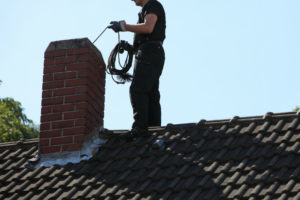 While the fall burning season may have just started, it’s never too early to start thinking about spring. If you haven’t had your chimney swept or inspected this season, now may be the best time to have it done; however, now is also an excellent time to have new chimney caps installed. Not only will they protect your chimney this winter, but they can keep animals out when spring arrives.
The importance of preventative maintenance
Fireplaces and chimneys are built to last, but they need regular cleanings and inspections in order to burn safely and efficiently. By having regular preventative maintenance performed, you can ensure your fireplace will burn safely for years to come.
One of the most common – and most important – parts of fireplace maintenance is an annual chimney sweeping. The Chimney Safety Institute of America recommends that all homes should have their chimneys swept at least once per year, regardless of how often you use your fireplace. Regular chimney sweepings remove creosote, a highly flammable byproduct of fuel burning fires that accumulates in the chimney over time. Likewise, regular sweepings ensure there are no other blockages in the chimney that prevent proper drafting or create a fire hazard.
Chimney inspections are another important part of fireplace maintenance. An inspection can help identify minor areas of damage before they turn into more serious deterioration. This is especially important for areas of the chimney that are not easily accessible or cannot be seen from street level. Chimney caps are one fireplace component that benefit from being inspected, as their damage may otherwise go unnoticed.
Chimney caps protect your fireplace system year round!
Chimney caps, sometimes known as spark arrestors or rain guards, are an important part of your chimney system; sitting at the top of the chimney, these caps have metal tops and mesh or wires sides that keep animals, debris, and moisture out while letting smoke safely draft. During the busy burning season, chimney caps protect your fireplace by keeping rain, sleet, and snow out, as well as keeping sparks from flying onto the roof or nearby bushes and trees. This protects your home – and your neighbors – from roof fires when the fireplace is in use.
Chimney caps continue to protect your home into the spring. Raccoons are especially fond of nesting in chimneys during the early spring; often taking up residence on the fireplace’s smoke shelf, they can be difficult to remove and can cause damage to your chimney system. A well installed, sturdy chimney cap cannot be pulled up by handy paws and keeps raccoons and other animals out.
Maintaining your fireplace and chimney is a year round job; make sure your system is ready for next spring by having your chimney cap inspected. If you need a new chimney cap, trust the experts at Jack Pixley Sweeps to install a cap that will keep raccoons – along with moisture and debris – out of your chimney. Contact us today to learn more about this preventative chimney maintenance.
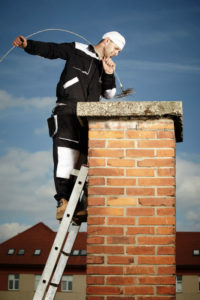 While fall may not start until September 22, cooler temperatures are already starting to arrive. This year, make sure your fireplace is ready to go when the first cold snap hits by having your chimney swept now! It’s not too late to have your chimney swept for the year; annual maintenance is an important part of keeping your chimney burning efficiently, and now may be the perfect time to have it swept.
The importance of annual chimney sweepings
Your fireplace needs attention more than just when you’re using it – or when it isn’t working properly. Regular preventative maintenance can help lengthen the lifespan of your chimney system while also keeping your fireplace burning safely and efficiently. One of the most important – and most well-known – annual maintenance items homeowners can have done is a chimney sweeping.
During the sweeping, the chimney sweep will use brushes, vacuums, and other tools to remove soot, ash, and creosote from the firebox and flue. The removal of creosote is one of the most important parts of the chimney sweeping; creosote is highly flammable, and the accidental ignition of creosote buildup in the chimney is the leading cause of chimney fires.
According to the Chimney Safety Institute of America, all chimneys – no matter how often they are used – should be swept at least once per year. This follows the National Fire Protection Association Standard 211 which says, “Chimneys, fireplaces, and vents shall be inspected at least once a year for soundness, freedom from deposits, and correct clearances. Cleaning, maintenance, and repairs shall be done if necessary.” Whether you use your fireplace a few times each season or are burning in it every day, maintenance needs to be done at least once per year. If you use your fireplace as a primary heating source in your home, it may need to be swept more often.
Don’t forget a chimney inspection!
In addition to your chimney sweeping, a chimney inspection can be another important part of annual maintenance.
“A chimney inspection is like an annual dental check-up,” says Ashley Eldridge, Director of Education for the CSIA. “It’s preventative maintenance that helps minimize potential hazards.”
During a chimney inspection, the chimney sweep will evaluate all accessible interior and exterior portions of the fireplace and chimney. Doing this can help identify any areas of damage or deterioration, often long before the fireplace has begun experiencing performance problem. This allows problem areas to be repaired sooner, saving you money on major repairs in the future.
Chimney inspections can also be used as a diagnostic tool. If you are experiencing a fireplace performance problem such as drafting issues, ongoing leaks, or repeated animal entry, a chimney inspection can help identify the root cause of the problem.
Whether you use your fireplace once per year or every day, a regular annual chimney sweeping is the best way to protect the longevity of your chimney system. To schedule your next chimney sweeping, contact Jack Pixley Sweeps today!