We Sell Regency Gas and Wood Inserts

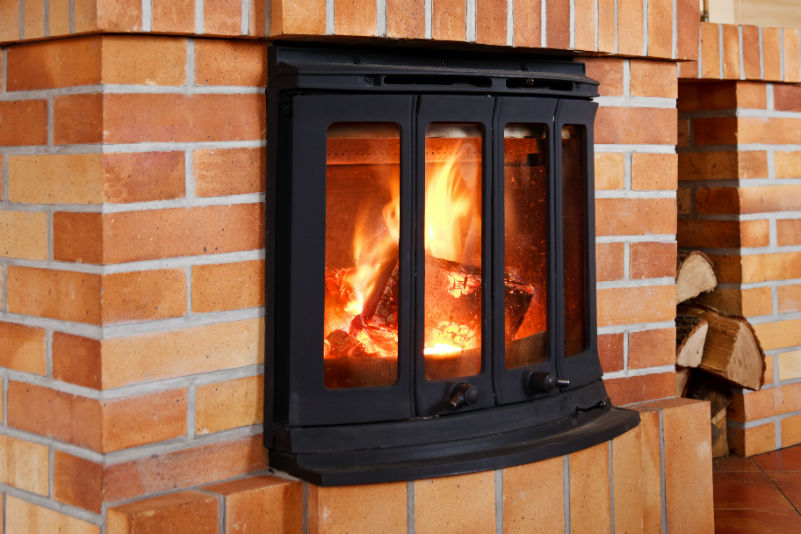
If you love your fireplace but are tired of losing money up the flue in wasted energy, it may be time to install a new fireplace insert! Wood burning and gas fireplace inserts are efficient and low maintenance additions to your home that can give you all the benefits of a masonry fireplace – without the energy loss.

At Jack Pixley Sweeps, we are proud to sell and install Regency gas and wood inserts. These high quality fireplaces are safe, efficient, and can keep your family warm and comfortable for years to come.We Sell Regency Gas and Wood Inserts - Minneapolis MN - Jack Pixley Sweeps
Benefits of fireplace inserts

There are a number of benefits to installing a fireplace insert in place of an existing masonry fireplace.

  • Efficiency: Open hearth fireplaces have efficiency ratings as low as 5-10%; at these levels, most of your energy – and money – is going straight up the flue. The closed system combustion of fireplace inserts allows them to operate with up to 90% efficiency. Likewise, the Hearth, Patio, and Barbeque Association estimates that by reducing energy and heat loss up the chimney installing an insert can save as much as 40% on energy bills.


  • Environmentally friendly: Modern fireplace inserts are required to be certified by the EPA. To earn this certification, inserts must create minimal amounts of particulate emissions; doing this reduces the environmental impact of burning in the fireplace and helps improve air quality.


  • Fuel choices: Whether you want wood or gas, pellets or coal, there is a fireplace insert for you. With a number of different fuel choices, homeowners can find a fireplace insert that works well with your heating needs and budget.


  • Style choices: In addition to choosing your fuel source, homeowners also have a wide variety of choices when it comes to the style of their new fireplace insert. Whether you want the look of a traditional fireplace or a sleek, modern design there is an insert to fit every style and price range.


About Regency gas inserts

If you’re tired of the work and effort of chopping, storing, and stacking firewood – as well as the mess after the fire – then a Regency gas insert may be the right fireplace for you. These high efficiency fireplaces can start at the touch of a button; this adds warmth and ambiance to your home without the work and effort of building or stoking a fire all evening.

About Regency wood inserts

Even though gas is an easy and efficient fuel source, many homeowners still prefer a wood burning fire. This does not, however, mean that they appreciate the energy loss that comes along with an open hearth. If you want to combine the energy savings of gas with the look and feel of a real wood fire then a Regency wood insert might be the right fireplace for you!

This winter, don’t let all your heat escape up the chimney. Keep the heat – and our cash – in the house by upgrading your drafty fireplace to a modern Regency insert today! Call Jack Pixley Sweeps to speak to one of our expert technicians about the kind of fireplace insert that is right for your family.
How to Start a Fire

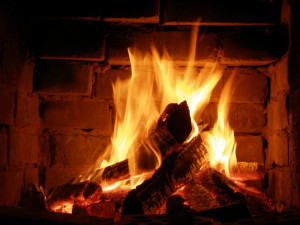
Before you can sit back, relax, and enjoy the comfort and warmth of sitting in front of your fireplace, there is one thing everyone must do – start a fire! However, many homeowners may be starting their fires incorrectly; the wrong technique can lead to fires that burn sluggishly, need to be stoked frequently, or burn out prematurely.

The following steps can help you start a lasting fire in your fireplace. Next time you want to build a fire, try utilizing a few of our tips and see how it affects your fire performance!

1. Make sure you are using the right materialsHow to Start a Fire - Minneapolis, MN - Jack Pixley Sweeps

All wood is not created equal; the type of kindling and firewood you use can have a major impact on fireplace performance.

  • Kindling: While many homeowners use newspaper or dried grass for kindling, these materials burn so quickly that they often extinguish before the larger logs have had a chance to ignite. Instead, try using small, dry sticks of woods like pine, fir, or cedar. Although these softwoods are not recommended as the main fuel source for your fire they ignite quickly and burn steadily; this gives your larger logs a better chance to ignite and start burning before the kindling goes out.


  • Firewood: When it comes to firewood, hardwoods are best. Woods like ash, elm, and oak burn at high temperatures for long periods of time. In order to maximize your fire’s performance, make sure that the wood has been seasoned for at least six months – if not longer – to remove the majority of the moisture content.


2. Open the damper

Any time the fireplace is in use – even if you are only starting to ignite your kindling –the damper must be open. Leaving the damper closed or only partially opening it can cause smoke and gas to build up in your home; this puts you and your family at greater risk for carbon monoxide poisoning.

3. Stack your firewood

How you stack your firewood in the fireplace can have a major impact on how your fire burns. Below are three popular methods of stacking firewood.

  • Teepee: The teepee is the classic wood arrangement and is most often seen in outdoor fires and fire pits. However, if you have small enough logs this stacking method can easily be used inside! Lean firewood against itself to create a cone; place kindling around the bottom of the cone to ignite the wood. As the wood burns it will fall in on itself, creating a “core of heat” made up of hot embers and coals in the middle of the fireplace.


  • Top down: The top down fire is one of the most unusual yet effective methods of stacking firewood. Wood is placed front to back in the firebox with the largest logs at the bottom and the smallest logs on top. Kindling is then placed among the logs as well as on top of the stack. Ignite the kindling and let the fire burn; as the smaller logs burn they will ignite the larger logs underneath, minimizing the amount of stoking that is needed.


  • Log Cabin: For homes with large fireboxes, the log cabin method can create a roaring fire where the flames can get plenty of oxygen. Lay two split logs parallel to each other on the bottom of the grate, then place the next set of logs perpendicular to the first. Continue this pattern for two to three layers. Kindling should be placed in the bottom center; as the wood burns it falls to the middle, and new wood can be easily stacked on top.

Common Chimney Questions

At Jack Pixley Sweeps , we pride ourselves on not just providing our customers with excellent fireplace and chimney services, but also helping to educate homeowners about their heating appliances. However, many of our customers often have the same questions!

Below are some of the most common chimney questions we are asked, as well as their answers and solutions.

“How often do I really need to have my chimney swept?”Common Chimney Questions - Minneapolis MN - Jack Pixley Sweeps

According to the National Fire Protection Association , fireplaces and chimneys should be cleaned and inspected annually. This recommendation is a general guideline for most homes and fireplaces that is designed to keep your fireplace system in safe working condition. However, if you use a heating appliance such as a wood burning stove as your home’s primary heat source, your chimney may need to be swept more than once per year!

“What is creosote?”

Creosote is a tarry black substance that is a naturally occurring byproduct of fuel burning fires – as well as the root cause of many chimney problems. Excessive creosote buildup is the primary cause of chimney fire. Likewise, creosote can also create chimney odors or cause the flue liner to deteriorate.

“How does a chimney sweep clean a chimney?”

Chimney sweeps certified by the Chimney Safety Institute of America are highly trained professionals who follow specific guidelines and procedures designed to leave you with a clean – and safe – fireplace system. Using specialized tools including brushes and vacuums, the chimney system is cleaned and inspected from the top of the flue to the bottom of the firebox. Likewise, our chimney sweeps take care to ensure that your home does not get messy or dirty during the cleaning by using tarps and drop cloths to cover interior furnishings and floors.

“Do I need to worry about carbon monoxide?”

Carbon monoxide is created in all fuel burning fires, including gas, wood, kerosene, propane, and even charcoal. This colorless, odorless gas is sometimes referred to as the “silent killer” because it is nearly impossible to identify without special carbon monoxide detectors. While the risk of a well maintained fireplace system having a carbon monoxide leak is relatively low, it is important that all homes are equipped with carbon monoxide detectors and that the alarms are tested regularly.

“Can anything be done about my smelly chimney?”

Chimney odor can be a major nuisance, affecting the air quality in your home particularly in the spring and summer months. However, a smelly chimney is often an indicator of a bigger chimney problem. A chimney inspection can be used to identify the root cause of the chimney odor, repair it, and create a plan to prevent it from coming back.

“How long have you been in business?”

Jack Pixley Sweeps has been in business since 1977. Located in Spring Lake Park, Minnesota, we are a local company dedicated to providing our friends and neighbors quality chimney and fireplace services. For more information on what we can do for your chimney, contact us today!

Your Dryer Vents Need Cleaning, Too!

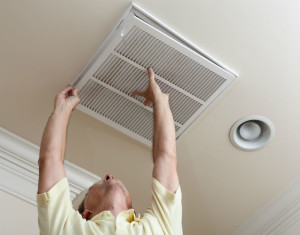
Your chimney isn’t the only part of your house that needs to be regularly cleaned in order to avoid accidental fire! Having your dryer vents cleaned should be added to your list of annual household maintenance in order to make your home as safe – and energy efficient – as it can be.

The importance of clean dryer ventsCleaning Your Dryer Vents - Minneapolis MN - Jack Pixley Sweeps

Clean dryer vents are an important part of running a safe and efficient home. The US Consumer Product Safety Commission estimates that in United States alone there are more than 15,000 dryer fires; dryer fires also account for more than $200 million in damages as well as hundreds of injuries.

The same debris that accumulates in your lint trap can also accumulate over time in your dryer’s vents and hoses. This extremely flammable lint can begin to constrict the airflow to the dryer; when this happens, the dryer attempts to keep working well by increasing the air temperature. The combination of the super-heated air and constricted hoses can cause the lint to ignite into a fire, quickly spreading throughout your home.

Thankfully, dryer fires can be easily prevented by having dryer vents regularly cleaned. When having your dryer vents professionally cleaned, special brushes and equipment are used in order to completely clean and clear the entire system. Likewise, vents, lines, and hoses are checked or kinks or other blockages that can impact dryer safety or efficiency.

While clean vents are an important part of dryer safety, they have the added bonus of helping boost your dryer’s efficiency. Many homeowners who are frustrated with their dryer’s performance are amazed at what a difference simply cleaning the dryer vents can make! Compared to the cost of buying a brand new dryer, having the dryer vents professionally cleaned is a small investment that can help extend the life of your appliance.

When do I need to clean my dryer vents?

How often your dryer needs to have its vents cleaned may differ from house to house based on the age and type of your dryer as well as how often it is used. However, as a general rule most dryers need to have their vents cleaned at least once per year. The following are a few signs that it may be time for you to clean your dryer vents.

  • A regular load of clothes take longer than one cycle to dry
  • The dryer is hot to the touch or excessively heats the laundry room
  • More and more lint is being produced each cycle
  • The dryer – or clothes just out of the dryer – have a strong, musty odor
  • Lint or debris can be seen around exterior dryer vents


While our name might be Jack Pixley Sweeps, we can do more than just clean your chimney; trust us to take care of your dryer vents, too! Contact us today to learn more about dryer vent cleaning and to schedule your next appointment.

Don’t forget your dryer vent cleaning!

There are some facets of home maintenance that are automatic, such as having your chimney swept and inspected, and having your furnace tuned and inspected. Dryer vent cleaning, however, often falls by the wayside, either because homeowner question the importance of dryer vent cleaning, struggle to make time for one more service, or simply forget to schedule a dryer vent cleaning appointment. Ignoring your annual dryer vent cleaning and inspection can have disastrous consequences.

Why dryer vent cleaning is necessaryDryer Vent Cleaning - Minneapolis MN - Jack Pixley Sweeps

As warm air flows out of your dryer, it carries with it the fine lint particles from your clothing that aren’t caught by the lint screen you clean between each load of laundry. Over time, that lint builds up within your dryer vents. As the lint build up, the hot air can no longer escape from your dryer. The lint overheats and can catch fire, or the carbon monoxide that should be exiting the dryer vent is forced back into your home.

Dryer vents also can become clogged from the outside. Animals can nest inside the dryer vent, or plants can grow up into the vents. The vent flap itself can become stuck, preventing hot air from escaping the dryer.

Because of those dangers, the National Fire Protection Agency recommends having your dryer vents cleaned once a year, more often if you do high quantities of laundry. In fact, it’s estimated that clogged dryer vents cause more than 15,000 house fires each year, leading to more than $230 million in property damage, and more than 50 deaths.

Other benefits of dryer vent cleaning

Clogged dryer vents also cause your dryer to run less efficiently. When your dryer can’t “breathe,” clothes dry more slowly. Clean dryer vents will lead to less time spent drying clothes, which saves you time and lowers your energy bills. Additionally, clogged dryer vents overtax your dryer, which can cause it to fail prematurely. That means clean dryer vents save you money, too!

Signs your dryer vent needs to be cleaned

While dryer vent cleaning is recommended at least once a year, there are indications that your dryer vents are due to be cleaned more frequently. Clogged dryer vents will cause laundry to take longer to dry than normal, your laundry likely will feel hot to the touch when you remove it from the dryer. The laundry room itself may feel overheated when the dryer is running, and you may smell a burning odor. A more subtle sign is that the smell of your fabric softener sheets may seem abnormally strong.

A quick visual inspection also can help you determine if your dryer vent is due for a cleaning. If you see lint blowing from the vent, or if the vent flap isn’t opening while your dryer is running — a sign of proper airflow — your vents should be cleaned immediately.

Call Jack Pixley!

We may be the company you think of for your fireplace and chimney services, but if you can’t remember the last time your dryer vents were cleaned, or if you’ve noticed some of the above problems, call Jack Pixley Sweeps. We can clean your dryer vents, too!