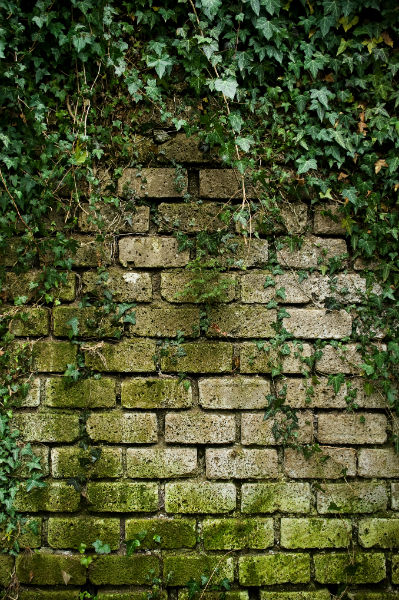
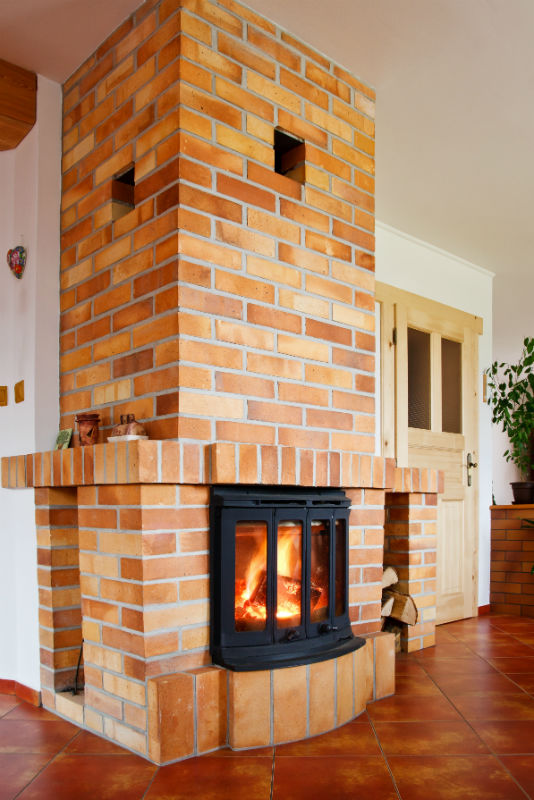
Vines, ivy, and other climbing plants are often seen as a charming way to add character to a home’s exterior. However, many homeowners do not realize that these plants can cause serious problems to the masonry underneath them.
How vines harm masonry
While climbing vines might seem like an easy way to add interest or spruce up your chimney, they can actually do more damage than good. The following are just some of the ways that vines can cause problems for your chimney.
- Insects: The leafy foliage of climbing vines provides the perfect hiding place for bugs and insects. With shade, water, and access to food, the vines on your chimneys exterior are irresistible to many insects. Unfortunately, this also gives bugs direct access to your home. Insects can crawl through cracks in the masonry to get inside; likewise, bugs like termites can use the vines as a way to travel directly to wood siding or trim.
- Tendrils and roots: Whether they’re growing on siding or masonry, the tendrils of climbing vines have to stick to something as they grow. When growing on chimneys, the shoots, roots, and tendrils from climbing plants can easily force their way into the masonry, creating cracks, chips, and holes. Masonry joints are particularly susceptible to damage from tendrils and roots; left unrepaired, this can cause damage to the stability of the chimney structure.
- Trapped moisture: When covered in a thick layer of leaves, moisture from dew, rain, snow, and even sprinklers and hoses can become trapped against the masonry. With plenty of shade caused by branches and leaves, much of the water may not evaporate. The presence of water, coupled with the damage to the masonry caused by the climbing roots and tendrils, can seriously damage the masonry.
Removing vines
Although climbing vines look beautiful, there can be trouble lurking underneath them. In addition to damaging your chimney, they can also damage other building materials including wood, gutters, trim, shingles, and even vinyl siding. Because of this, it is recommended to remove vines as soon as possible in order to repair any damage that has occurred as well as prevent future deterioration.
The best way to remove vines is by cutting off the base of the plants at the roots. Doing this stops the plant from growing further, allowing shoots, tendrils, and leaves to dry and fall away. It is important to allow as much of the vines to fall away on their own as possible; pulling on branches or tendrils, especially those that have been growing for years, can actually cause more damage to the underlying masonry. Bricks and mortar that have been weakened by climbing plants can completely fall and break away if the vines are harshly pulled away.
While climbing plants, flowers, and vines add character to the outside of your home by covering your chimney structure, they may be hiding – or causing – serious underlying damage. To keep your chimney in the best condition possible, remove vines and have the damage repaired as soon as possible.
During the spring and fall, birds around the country begin their annual migrations for nesting season. One such bird is the chimney swift, which is known for spending its winters in South America before returning north to the United States and Canada for nesting season each summer. While swifts are beautiful to observe, they can cause serious problems for your chimney system.

How to recognize chimney swifts
If you have birds in your chimney, one of the hardest things to do is determining what they are. Luckily, there are several distinguishing characteristics that set chimney swifts apart from other birds.
- Size: Chimney swifts are extremely small birds known for their “cigar shaped” bodies. Swifts also have long, thin, pointed wings.
- Color: Swifts can be a dull gray or brown color. When seen in flight backlit against the sky they may appear black.
- Movement: Chimney swifts are almost always in flight and are rarely seen sitting unless in their nests. They can be identified by their sharp twists and movements in flight.
- Sound: Unlike songbirds, swifts have a distinctive high pitched chirp or call when flying.
I have swifts in my chimney. Now what?
If you wake up to the sounds of birds in your chimney, the first instinct is often to get them out. Unfortunately, chimney swifts cannot be so easily removed. Chimney swifts are one of many bird species protected by the Federal Migratory Birth Treaty Act. This act makes it illegal to remove or destroy chimney swift nests when eggs or hatchlings are present. Because of this, if a family of swifts finds their way into your chimney, there is nothing to do but wait for the young to leave the nest in approximately six weeks.
Why it’s important to keep chimney swifts out
Some homeowners, especially wildlife lovers or those who infrequently use their fireplaces, may not have a problem with chimney swifts nesting in their chimney. While its admirable to allow chimney swifts to nest in your chimney, it is not recommended and should be avoided if possible.
The first reason why you want to keep swifts out of your chimney is because they can cover disease. Migratory birds, including chimney swifts, can spread disease because “their ability to travel over long distances and through a variety of habitats exposes them to a wide range of microorganisms.” Likewise, the presence of nesting materials in the chimney structure often attracts a variety of bugs and insects which can also increase your risk of exposure to disease.
In addition to potentially bringing disease, chimney swifts can be a long-term problem. Like most migratory birds, chimney swifts prefer to return to the same nesting ground every year. This means that if your chimney is left uncapped or open to them they will continue to return and nest in your chimney each season. A new chimney cap or top mounted damper can keep swifts from returning even if they’ve nested in your chimney before.
While chimney swifts are a nuisance, they cannot be removed as easily as other animals. Because of this, it’s important to keep them from getting in to begin with. If you have had swifts in your chimney in the past or think you might currently have a swift nest, contact Jack Pixley Sweeps today!
The warm weather we have each summer means that very few homeowners use their fireplaces during these months. While you may not need the additional heat, many miss the ambiance their fireplace creates. One way to enjoy the look and feel of a fireplace without overheating your home is with a fireplace insert.

Fireplace inserts can be used decoratively or as a way to help heat your home. Likewise, these extremely efficient appliances are much easier to care for than traditional hearth fireplaces. This makes them an ideal choice for busy families who want the look and feel of a wood fire without the hassle.
Why install a new insert in summer
Summer is a great time of year to make repairs or upgrades to your fireplace system. Because fireplaces are rarely used during the warm summer months, you will not be “left out in the cold” if you are unable to use your fireplace while the repairs are being made. Likewise, some masonry repairs cannot be completed when the temperatures outside drop below a certain point; this makes the warm months of summer an ideal time to have masonry work completed.
The primary benefit of having your new fireplace insert installed this summer is that it will be already ready to use when temperatures begin to cool down in the fall! Finding the perfect insert now will allow you and your family to be warm and cozy when the first cold snap arrives.
Benefits of fireplace inserts
Below are just five of the many reasons to consider installing a fireplace insert.
- Efficiency. Fireplace inserts operate using closed system combustion. This allows them to much more efficiently and completely burn their fuel source, as well as minimizes the amount of temperature controlled air that is lost up the chimney. According to the Hearth, Patio, and Barbeque Association, adding a fireplace insert can reduce energy bills by as much as 40%.
- Environmentally friendly. Unlike open hearth fireplaces, fireplace inserts are strictly regulated by the EPA. EPA Certified inserts produce nearly zero particulate emissions; this makes them a greener fireplace choice as it significantly reduces your carbon footprint.
- Avoid repairs. If the inside of your firebox is damage, expensive masonry repairs may seem inevitable. However, installing an insert may help you avoid costly masonry repairs while still letting you enjoy a roaring fire.
- Fuel choices. Inserts are available for nearly every fireplace fuel source including coal, natural gas, pellets, propane, and wood. This gives homeowners a wide variety of choices to meet their fireplace preferences.
- Style. Modern fireplace inserts are available in styles to fit in the interior décor of any home. Whether you want the classic look of a traditional fireplace or a more modern or contemporary design, you can find an insert that matches your style.
Summer is a great time for a new fireplace insert! To learn more about how a fireplace insert can benefit your family, contact the experts at Jack Pixley Sweeps today!
Dryer vent safety often gets overlooked for the fireplace or stove, however, it’s important to remember to service your dryer vents annually. Call Jack Pixley Sweeps today to schedule your next appointment!

If you have any questions or would like to schedule an appointment, please give us a call! We look forward to providing you with a lifetime of high-quality, professional services!
During the hot spring and summer months, most homeowners pay little attention to their chimneys. However, now is the best time to have your chimney maintenance and repairs done, especially if your chimney is in need of masonry repairs.
During the winter, fireplaces and chimneys endure months of heavy use and abuse. Coupled with exposure to freezing temperatures and other winter conditions, most chimney systems are in need of maintenance at the end of the season.
 If your chimney or fireplace needs masonry repairs, now is the perfect time to have them done!
How masonry gets damaged
There are a number of ways that your chimney’s masonry may be damaged. Below are some of the most common causes of masonry damage.
Water: Moisture is one of the most damaging forces to your chimney and fireplace. While bricks and mortar are designed to stand up against water, repetitive damage from rain or leaks can cause masonry to crack or spall. The masonry in the firebox is particularly susceptible to water damage from chimney leaks; these bricks are designed to withstand high heats, not exposure to water.
Settling: All homes settle over time. However, if your fireplace was not built on a proper foundation this can cause it to crack or shift. Masonry damage from settling is often seen as cracks in the firebox or tilting or uneven chimneys. Chimneys that have been damaged by settling should be repaired as soon as possible to ensure they are stable and safe.
Other damage: While masonry is sturdy, it can be easily damaged if not correctly cared for. One cause of masonry damage that homeowners often forget about is power washing. Attempting to clean your chimney with a power washer can leave your bricks chipped, cracked, spalled, and in need of repair. Similarly, non-breathable sealants or paints that are not designed for use on masonry can actually further damage your chimney instead of protecting it.
Why have your masonry repaired now
Masonry damaged should ideally be repaired as soon as it is found. If you have existing or ongoing masonry damage, however, the summer is a great time of year to have your masonry repaired. Below are three reasons to have your masonry repaired before the fall.
1. Less fireplace use: As the temperatures outside climb, most homeowners are less likely to want to use their fireplaces. Because of this, you would not be inconvenienced or unable to use your fireplace when wanted when having it repaired now as to in the summer.
2. Fewer weather delays: Masonry repairs during the fall are often delayed by weather issues. Likewise, some masonry repairs cannot be performed in cooler temperatures, making them difficult – if not impossible – to complete in the fall or winter.
3. Less wait time: The fall is the most popular time of year for chimney maintenance and repairs. Because of this, it can be extremely difficult to get an appointment at a convenient time. Having your masonry repaired in the summer allows you to schedule the appointment when you want it rather than waiting weeks for an available time.
If you have masonry repairs that need to get done, don’t wait until fall. Let our expert masons take care of your chimney so it is ready to use when the temperatures drop. Call Jack Pixley Sweeps at 763-422-0481 today to schedule your masonry appointment!