Chimneys are built to last. Although masonry is one of the toughest building materials in the world, it can still deteriorate over time due to aging, damage, or overexposure to the elements. Luckily, there are pro-active ways that homeowners can protect their chimneys against damage.
Because water can be extremely damaging to masonry, it is important to protect your chimney against it. Waterproofing is one of the most effective preventative maintenance applications homeowners can have put on their chimneys. Having your chimney waterproofed can protect it against future water damage, as well as slow – or stop – the progression of current masonry deterioration.
What is waterproofing?
The waterproofing process for chimneys involves applying specially-designed water repellent to the bricks and mortar of the chimney. This creates a protective barrier that keeps water from being absorbed by the masonry, protecting the bricks against water damage.
Bricks are a naturally porous building material, making them ideally suited for chimney construction. While this porous nature allows gasses to pass through the bricks to the outside, it also can allow water in. If too much water is absorbed by the bricks it can cause them to crack, chip, or break away from the chimney structure; this affects not only the curb appeal but also the structural stability of your chimney.
Paint vs sealants vs repellents
Not all waterproofing products are created equally. Because of this, it is important to only use professional strength masonry water repellents. While the names are often used interchangeably, paint, sealants, and repellents are all very different products that can have different effects on your chimney.
– Paint: Regular house paint is not vapor permeable and is not meant to keep water out; by painting the masonry you are trapping water and gas inside the bricks. Trapped moisture will continue to deteriorate the masonry behind the paint, causing unseen damage. Paint over masonry that has bubbled or flaked is a sign that there is trapped water – and damaged masonry – underneath.
– Sealant: Sealants are often clear or slightly tinted and are designed to keep water from being absorbed. However, most sealants are not vapor permeable and therefore trap moisture inside the masonry just like paint.
– Repellents: Water repellents are the best products to use on masonry. A repellent forms a thin, vapor permeable barrier on the masonry that allows water and gas to evaporate while still preventing new moisture from being absorbed. This not only protects the masonry from new water damage, but can help stop existing deterioration. Repellents aren’t just for your masonry; they can also be used to waterproof your chimney crown.
Proactively caring for your chimney can minimize damage and extend its lifespan. By having your masonry waterproofed, you can help protect it for years to come against water damage from weather, humidity, sprinklers, and hoses. For more information on waterproofing your chimney, contact Jack Pixley Sweeps today!
Since 1977, our friends and neighbors in the Edina, Minnesota area have trusted Jack Pixley Sweeps to service and maintain their fireplaces and chimneys. Now, we are proud to have another way to further serve our customers; this season, we will have a new display showroom!
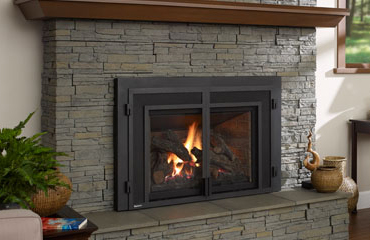
Come see our fireplaces and inserts
When it comes to selecting new heating appliances, simply flipping through a catalog often isn’t enough. Because of this, we’ve expanded our business to include a new display showroom in our Spring Lake Park location. This new showroom will allow customers to check out the latest and most popular fireplaces and inserts in person; the ability to see, touch, and feel a new heating appliance is often the most helpful way to make an informed decision about your new fireplace!
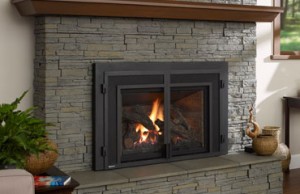 Why choose an insert for your home
Visitors to our new display showroom will notice that we are beginning to carry more and more fireplace inserts. The sales of gas and wood inserts have become a growing segment of our business; homeowners love their efficiency, ease of use, and low operation costs. The following are just a few of the reasons to consider installing a new fireplace insert in your home.
– Choice in fuels: Fireplace inserts are no longer limited to one fuel source. Whether you prefer wood, gas, or pellets, there is a fireplace insert to meet your home’s heating needs.
– Variety of styles: Inserts give homeowners unprecedented choice when it comes to the style of their fireplace. Whether your home is sleek and contemporary, country and rustic, or somewhere in between, there is an insert to fit your home’s unique aesthetic.
– Increased efficiency: Fireplace inserts are some of the most efficient heating appliances available on the market today. By using closed circuit combustion, more of the fuel source is completely burned and less heat is lost up the chimney. The can increase heat production while simultaneously lowering fuel usage and costs.
Our other services
In addition to our new display showroom, Jack Pixley Sweeps will continue to offer customers the same high quality fireplace and chimney services they have come to expect over the years. Our certified chimney technicians and skilled masons can service and maintain your fireplace system from the top of the flue to the bottom of the firebox.
We can take care of more than just your chimney; at Jack Pixley Sweeps, we also offer dryer vent services and cleaning! Having your dryer vents cleaned at least once per year is an excellent way to improve your dryer’s efficiency while reducing the risk of accidental dryer fire.
Whether you are looking for quality chimney services from a company you can trust or are interested in seeing in person the latest trends in fireplaces and heating appliances, Jack Pixley Sweeps is the one-stop shop for all of your fireplace and chimney needs. Contact us today for more information on our new showroom area and new location in Spring Lake Park. We look forward to seeing all of you at our celebratory Open House later this summer!
Scratching and clawing are sounds no homeowner wants to hear coming from their chimney. If you do, you may have an animal trapped inside.
The presence of an animal in the chimney is more than just a nuisance; animals often endanger themselves by getting stuck, can cause serious damage to your chimney components, and can expose your family to disease. Because of this, it is important to call a chimney professional at the first sign of animal entry.
How animals get in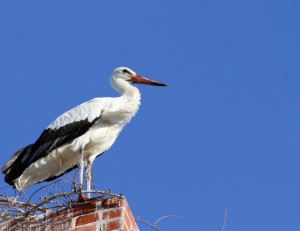
Birds, raccoons, squirrels, and a number of other animals are known for trying to find their way into chimneys. Commonly, animals are able to get into the flues of uncapped chimneys or homes where the chimney cap has been damaged. Chimney caps that are ill-fitting, have shifted, or have damaged side screens can all leave gaps big enough for animals to get into. Raccoons have also been known to claw and scratch chimney caps until they break to gain entry.
Keeping animals out
The best way to keep out of your chimney is through regular chimney maintenance. An annual chimney inspection can help spot damage to the chimney cap and other chimney components. If repairs are needed, they can be quickly and easily completed – before animals get in.
I think I have an animal in my chimney – now what?
If you hear clawing, scratching, crying, or other animal noises coming from your chimney it is important to call a chimney professional as soon as possible. While animals may be able to find their way in, most are not able to get out on their own; when trapped and disoriented in the dark, enclosed space, wildlife rescue may be needed.
It is never recommended for homeowners to attempt to “smoke out” animals. First, opening the damper to start a fire can let whatever animal is in your chimney into your home; it is much easier to get a bird out of a chimney than it is a living room! Likewise, starting a fire with an animal in the chimney can be harmful to the animal as well as your home. The smoke, heat, and gasses from the fire often kill the animals long before they are able to escape up the chimney. If there are nesting materials in the chimney, sparks and embers from the fire can cause them to ignite and lead to chimney fires.
At Jack Pixley Sweeps, we provide professional animal removal services. We identify the area the animal is trapped in and remove four bricks; this creates an area large enough for the animal to escape on its own or be removed without causing significant damage to the chimney. By having a chimney company remove the animal, we are able to not only get the animals out, but repair the damage they have caused and keep them from coming back.
The presence of an animal in your chimney endangers the animals, causes chimney damage, and can expose your family to a variety of bacteria or diseases. At Jack Pixley Sweeps, we are experts at removing animals from your chimney – and keeping them from coming back. Contact us today for more information on wild animal removal.
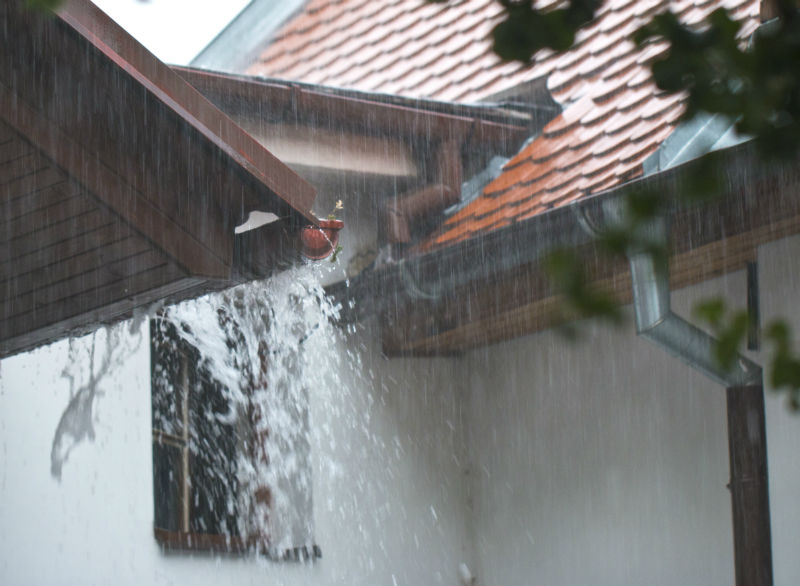
While a little water in your fireplace might seem like only a minor inconvenience, it can spell major trouble for your chimney system. Whether it’s a few droplets, a large puddle, or even a musty smell, the presence of water in your fireplace and chimney can cause damage to many different chimney components.
Causes of leaky chimneys
Because chimneys are complex structures with a number of different components, there is no one guaranteed cause of a leaky chimney. However, there are several common ways that water can get in; below are four of the most common causes of chimney leaks.
- Chimney cap: Chimney caps are metal covers that protect the top of the flue and keep animals, debris, and moisture out of the chimney. If a chimney cap is installed incorrectly, does not fit properly, or is damaged, water can easily enter the flue and chimney.
- Chimney crown: The chimney crown is the mortar slab that covers and seals the top of the chimney. Well-built chimney crowns are typically made of concrete or other stone to prevent the chips and cracks associated with long term exposure to the elements. Likewise, a good chimney crown should have overhangs and be slightly sloped in order to prevent water from pooling or draining directly onto the masonry of the chimney.
- Damaged masonry: Damage caused by water can cause bricks to crack and spall; not only does this let additional water into the fireplace system, but it can also affect the structural stability of the chimney structure.
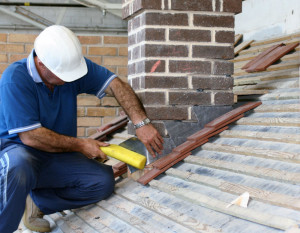
- Flashing: Chimney flashing are the layered metal strips that seal the joint between the roof and the chimney structure. Flashing can lose its watertight seal due to exposure to the elements, incorrect installation, damage from storms, or if changes to the roof line are made.
Repairing a leaky chimney
The first step to fixing a leaky chimney is to identify and repair the underlying cause of the leak. A chimney inspection done by a certified chimney sweep is often the best way to uncover where water is getting into the chimney system; by fixing how the water is getting in first, you can avoid needing the same chimney repairs because of water damage again and again.
In addition to repairing your leaky chimney, preventative maintenance can be done to protect your chimney against water damage. Waterproofing is one of the best ways to protect your masonry against water entry. Our professional-grade SaverSystems sealants are specially designed to work on masonry; these sealants allow the masonry to retain its semi-porous nature, allowing gasses to pass through but preventing moisture from getting in. Water repellent sealants can even be used if your masonry already has areas of water damage!
If you have a leaky chimney, it is important to have it repaired as soon as possible. Contact the experts at Jack Pixley Sweeps today for more information on how we can fix your leaky chimney!