Chimney care should be a must on your to-do list for Spring. It deserves to be given proper attention after enduring the cold winter days while keeping you warm.
Spring. It’s the time of the year where you can free yourself from months of wearing thick clothes and triple socks. It’s the perfect time to finally go outside and play without having to worry about freezing to death. It’s also the time where your chimney can finally rest and prepare for the next time of extensive usage. But it doesn’t mean that you’ll just tuck away your chimney until the next winter. No, there are still some things to take care of because of the shift in temperature.
Chimney Inspection and Sweeping
Here at Jack Pixley Sweeps & Masonry we’d like to present a Spring checklist so that when one of our certified CSIA chimney sweeps knock on your door, you already know what to expect. The very first and very basic things to do are the routine inspection and sweeping. From there they can assess whether or not your chimney needs any of the following:
Waterproofing
As winter comes to an end, there will be a lot of traces of melting snow. This is bad for the chimney because huge volumes of water can destroy the chimney. The chimney will start to degrade overtime and water can enter the small cracks and joints of the masonry brick walls that will further speed up the degradation of the chimney. When this happens, there might be a need for waterproofing. When we’re done, even the smallest ant cannot find cracks to live in inside your chimney. Another good way to keep water out is to install chimney flashing. This will block water from coming in where the exterior of the chimney meets the roof.
Chimney Relining
Again, as the chimney gets old, damage to the the flue and the flue liner will be inevitable. This problem should be addressed right away because it leads to poor chimney draft. If there are holes in the flue, there won’t be enough pressure to push up all the smoke to the chimney and you’ll have a smoky fireplace. If the flue liner is the problem, chimney relining will solve it. Otherwise, if the damage is to the structure of the flue itself, we might have to go as far as replacing the whole thing.
Install a Chimney Cap
Since we’re talking about spring, there are now bigger opportunities for debris, leaves and other obstructions (including tiny animals looking for a home) to enter the chimney. Having a chimney cap installed will totally stop these things from entering the inside of the chimney.
These are a few of the things that we can to do ensure that your chimney will last for many years to come. And not only that, when you invest in maintaining your chimney, you won’t have to worry about accidents due to functional problems while using your chimney. You’ll also end up saving money in the long run by avoiding these untoward incidents that might cause severe damage to your property. Make an appointment with us now. Jack Pixley Chimney Sweeps & Masonry: “It’s the name you can trust.”

Be careful of your leaky chimney — it becomes the perfect environment for molds to grow.
At Jack Pixley Sweeps, we specialize in troubleshooting and repairing leaky chimneys. Chimney leaks, at their worst, can cause a lot of damage to your chimney structure — even the interior of your home. But did you realize that chimney mold was a big cause for concern, too?
Do I Really Have To Worry About Mold In My Chimney?
Even though your chimney system’s function is a pretty ingenious blend of engineering, design and physics, we can boil its key jobs down to three things: keeping fire in, ushering combustion byproducts up, and keeping water out. When all of that is happening, you have a well-functioning chimney.
Since it’s somewhat easier to pay attention to fire — what with it being hot and bright and pretty much the whole point of having a fireplace or stove — a lot of us forget how important the water part of that equation is. When water intrusion occurs, you could be left with a bunch of different problems: stained walls, discolored ceilings, damaged masonry and yes, mold. Mold needs moisture to grow and thrive, so when water starts to make its way into your chimney system, mold very often follows.
And we’re all pretty aware at this point of how troubling mold can be. It’s tough to remove, and can be dangerous to be around — a lot of different health problems have been linked to mold exposure, from respiratory issues to allergy flare-ups.
How Do I Know If I Have Mold In My Chimney?
In addition to trusting your Jack Pixley Sweeps techs, when we come to inspect your chimney, you can also trust your senses when it comes to mold.
Mold tends to grow in dark, moist and often out of the way areas, so the first indication of its presence may be an odor. Mold has a musty, dirty smell that’s hard to ignore.
Our eyes tell us a lot too. If you see discoloration on your masonry or the walls around your fireplace and chimney — from green to brown to black spotty or splotchy areas — you might be looking at some mold growth. If you’re noticing moisture getting into your system, even if you don’t see stains, there’s a good chance you have the stage set for mold growth.
If you have any suspicions or worries, call Jack Pixley Sweeps — our CSIA-certified technicians have years of experience dealing with leaks and mold growth, removing mold and repairing leaks to prevent that mold from coming back.
Removing And Preventing Mold
The Environmental Protection Agency’s guideline is to call in a professional if water damage is considerable, or if mold growth covers anything as large as a 3-foot-by-3-foot area. Since your mold is almost certainly the result of a leak issue, we think it’s advisable to call a professional if there’s any mold in your chimney system at all, since the mold will only come back if you remove it without clearing up the leak that caused the mold in the first place.
Finding the chimney leak issue that led to mold growth is a tricky process — we inspect the chimney top to bottom to figure out what’s offering access to moisture, including the chimney flashing and chimney crown. Once we find the problem or problems, we’ll share a plan of attack that’ll have your chimney shedding water again (which may include having us apply a strong waterproofing sealant to protect your masonry and repel moisture).
Don’t let chimney mold problems scare you — Jack Pixley Sweeps is always here to help. If you have any questions, or want to make an appointment, just give us a call!
Improper Flow
The most important job of your chimney is for warm air come into your home and cold air to escape. Not only is this interchange important, but a clean chimney, that is well-maintained will also filter out most harmful gases. If anything gets inside your chimney and interrupts or diverts air in a way that is out of balance – your health and your home could be at risk.
In order to bring the right air in…at the right balance, you cannot let anything blocking the air to remain. Annual maintenance of your chimney, keeps channels open.
There are many reasons why a chimney gets too much draft. It could be due to a clogged chimney flue that’s filled with creosote. It could also be caused by other objects or even animals that make their way into the flue. Or it could also be because of poor chimney maintenance. It could be many other things. It’s important to solve this problem right away because of health and safety reasons. This can help lessen the chances for harmful toxins from entering the home and for it to safely make its way to the outside of the house without having to worry about fire or dangerous chemicals in the air.
You’ll know when there’s a draft when there is little amount of heat produced by the fire in your fireplace. Another basic observation is a distinct smell lingering inside or air entering your home through the firebox. Here at Jack Pixley Sweeps we make sure your home is cared for in the best way possible; with excellent services and licensed CSIA Certified Chimney Sweeps.
The Symptoms
- Persistent smell inside the home
- Difficulty in starting or keeping the fire despite using seasoned wood
- Smoke spillage
- Not enough heat
The Remedy
Draft in the chimney can be solved by doing four things:
- First, what our people would usually do is to inspect your chimney. This can help them know what equipment to use, what other problems might be occurring and why draft existed in the first place.
- Second, thorough cleaning/sweeping of the chimney is a must. This procedure will remove draft inside the chimney, providing unrestricted air to properly flow.
- Third, sealing the leaks in your chimney can also be a good solution. You know how water can easily destroy the masonry walls and bricks in your chimney thus causing draft to happen and mold to form.
- Lastly, is to have a chimney cap installed. This can keep out animals, birds and debris from accumulating in your chimney.
If your home has a chimney, you’ll have to have it cleaned sooner or later; it’s recommended that you have it done yearly at the very least. The National Fire Protection Association (NFPA) and Chimney Safety Institute of America (CSIA) classify chimney inspections into three categories: Level 1, Level 2, or Level 3. Each level of inspection covers specific items depending on the equipment and how it is vented to the outside of your home. Taking an in-depth look at all three levels will give you a clearer understanding of what’s completed during each and how each subsequent level builds on the work completed during the previous level(s).
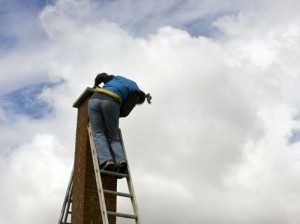
Having your chimney inspected and cleaned annually helps minimize any safety risks and maximizes performance.
Levels of Inspection
1.Level 1 – these are completed during a routine chimney cleaning and, as such, should be carried out annually. This more routine level of evaluation is the recommended course of action when the conditions of use have not changed over the past year. These inspections are limited in scope to the portions of the chimney’s exterior and interior that are easily accessible as well as the portions of the fireplace and flue that are readily accessible. The technician will look to gauge the condition of the flue and chimney structure as well as your basic fireplace installation and connections. The technician will also check to make sure that the chimney is free of obstructions and combustible deposits.
2.Level 2 – these are more detailed and thorough than the previous level and are recommended either when the conditions of use have changed during the past year or when a Level 1 inspection revealed an issue that warrants a more thorough inspection. A few notable issues that may call for a more in-depth inspection are homeowners opting to convert their traditional fireplace to a gas unit or when an event has occurred that could have compromised the chimney in some way (e.g., chimney fire, earthquake, or foundation settling). It’s also recommended upon the sale or transfer of the property. These inspections include everything a Level 1 inspection would include as well as the inspection of accessible areas of the attic, basement, and crawlspace and a video evaluation of the inside of your chimney.
3.Level 3 – these are the most in-depth of all the inspection types and are conducted after either a Level 1 or Level 2 inspection has revealed a major issue in parts of the chimney and/or flue that are not easily accessible. These inspections include all of the areas covered in Level 1 and Level 2 inspections as well as inspection of otherwise concealed areas to further investigate known or suspected problems. Because certain portions of Level 3 inspections require some sort of demolition to, within, or around your home, the technician will discuss this work with you prior to beginning anything.
That’s a lot of information to pack into one blog. The information is, however, extremely important. Understanding the general scope of work required with each level of inspection is critical to being an informed homeowner and consumer. We want all of our customers to be pleased with the work we do and not to be blindsided by the costs that go along with it. We wish you a happy and safe holiday season.
Creosote Is Dirty And Dangerous
Most of the time, when chimney professionals like Jack Pixley Sweeps bring up the subject of creosote, we’re talking about fire safety. And there’s a good reason for that: Excessive creosote buildup — particularly if those creosote deposits develop into second or third stage creosote — can lead to a serious fire hazard.
But that’s not the only reason creosote buildup is dangerous, and why regular chimney sweeping is an important part of safer chimney use. Creosote itself — and the various chemicals that make it up — has been shown to be toxic.
Creosote exposure can cause skin irritations, as well as breathing difficulties.
Creosote Development
Several different materials get dubbed creosote, including the dark liquid used to treat commercial lumber materials like railroad ties. The creosote we’re talking about is a chemical deposit that results from burning wood in a heating appliance. Gases rise in the chimney connected to that appliance as the wood burns, and the cooler flue causes condensation, resulting in creosote build-up.
The coal tar creosote used in wood treatment and the creosote in your flue do have something important in common, other than their descriptor: People should avoid prolonged direct exposure to either, because both can be dangerous.
Short-term and prolonged exposure to the chemicals in creosote has been shown to result in an array of health issues, from skin and respiratory irritation to stomach pains and a potential worsening of asthma symptoms, according the Agency for Toxic Substances and Disease Registry.
Limiting Creosote Exposure
Exposure to chimney creosote can happen in different ways. Airborne particles can be breathed in. Chemicals can be absorbed through the skin or — a particular concern with kids — orally, if fingers that came into contact with creosote were absent-mindedly put in your mouth.
Limiting exposure to creosote starts with limiting the development of creosote to begin with, by burning the right materials. Burning green or wetter wood leads to a cooler fire and more creosote — and burning anything else, like trash, can contribute to creosote build-up and give off toxic chemicals, depending on the material.
Sticking to burning kiln-dried or seasoned cordwood only is your best bet. It provides the best, cleanest burn, and is smarter to use both short and long term.
The other key step is having a professional chimney technician clean your flue regularly. During a chimney sweeping appointment, Jack Pixley Sweeps technicians will remove creosote deposits from your flue, using specially designed tools and vacuums to make sure the mess is completely confined and removed. Our technicians are trained to safely handle and safely dispose of creosote, so you don’t have to come into contact with it.
If you want to know more about creosote — and limiting and removing it from your chimney system — give Jack Pixley Sweeps a call. We’re always happy to help our clients!
Relining Your Chimney
Behind-the-scenes players don’t always get their due praise, and that’s definitely true when it comes to chimney systems. Aside of the very top of the chimney, you don’t really see your flue liner, but it’s by far one of the most important parts of your chimney system, contributing both to improved safety and improved performance.
When we get service calls for drafting problems, often enough the culprit is the chimney liner. And that’s just one of the problems that comes up with a chimney liner isn’t able to do its job.
The Quick Version Of Why Your Chimney Liner Is So Important:
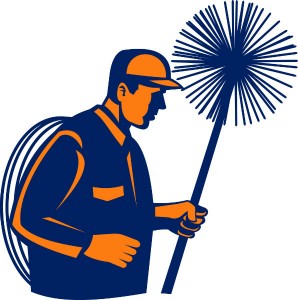
Your flue liner acts a shield that protects the exterior masonry of your chimney.
The chimney liner helps insulate the internal workings of your chimney structure — and the combustible materials behind the chimney — from the high heat produced in your firebox. The more heat that gets to those materials, the more chance you have of wood drying out and potentially catching fire. With a strong liner providing a buffer, you’re drastically reducing that possibility.
Your liner also creates a smooth, smoke-tight surface that encourages proper draft. A craggy surface impedes flow, and gaps and cracks act like a split in a drinking straw — no matter how much upward draft you apply, the performance just isn’t there.
A flue that isn’t sized correctly to vent the appliance it’s attached to won’t work correctly either — appliances are made to work with a specifically sized flue. One that’s too small won’t allow the proper draft, and one that’s too big can lead to more smoke and more creosote.
So, when your liner is damaged or isn’t properly doing its job, your chimney system’s performance and safety suffer, in a big way.
Why You Might Reline Your Chimney
When Jack Pixley Chimney technicians recommend relining your chimney, it’s usually for one of these reasons:
– Your clay tile liner has cracks or gaps that are affecting your chimney’s ability to draft properly, and creating a potential fire hazard.
– You’ve had or are having a new appliance installed that makes it necessary for your flue to be resized, by installing a new stainless steel liner.
– Your historic fireplace doesn’t have a liner at all, leaving your chimney system performing poorly (and seriously unsafe).
If you’re having draft or smoking issues, or other performance problems with your chimney system, call Jack Pixley Sweeps. We can inspect your system. and see if a relining — or another kind of repair — will fix the issue!